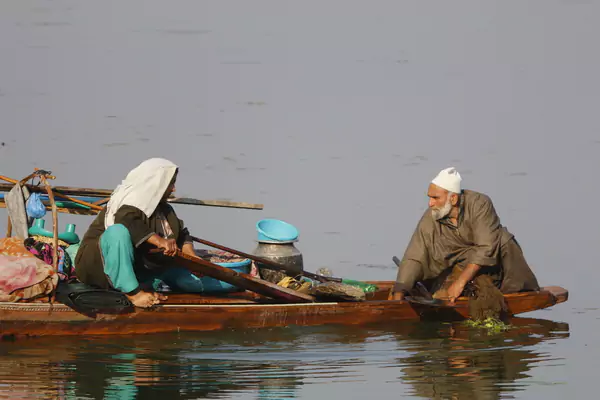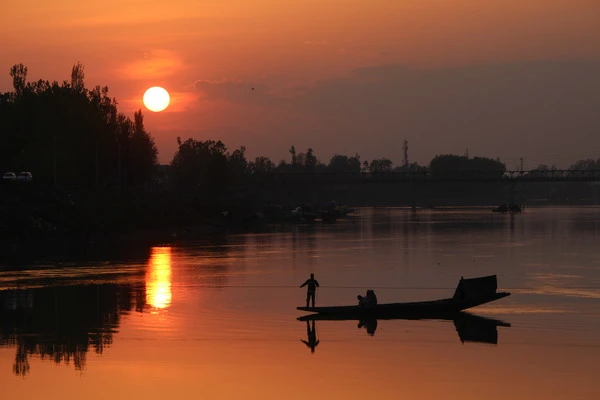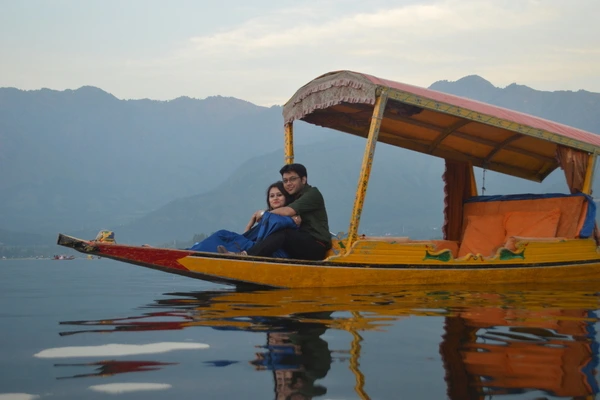
Most visitors to Srinagar confine their stay to the perimeter of Boulevard Road, riding a brief sunset Shikara on Dal Lake and strolling through the manicured Mughal Gardens. While these are undeniably beautiful, they offer only a curated glimpse of Kashmir’s rich culture.
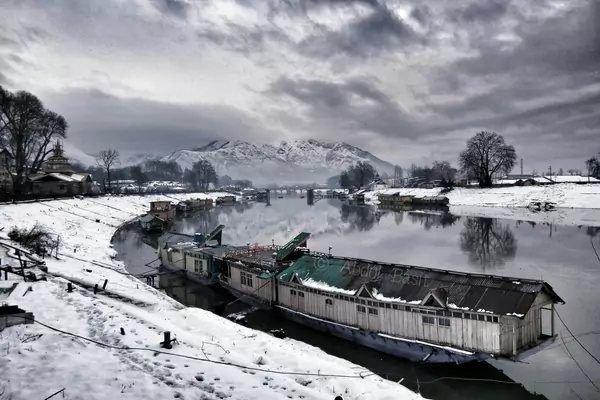
To discover the true heart of Srinagar, you must venture into Shehr-e-Khaas (the historic Old City) along the Jhelum River, where centuries of Sufi mysticism, deodar cedar architecture, and hereditary artisan guilds survive. Combine this with an authentic heritage houseboat stay on quiet Nigeen Lake or Dal Lake, and you have an unforgettable cultural journey.
Quick Facts
| Parameter | Details |
|---|---|
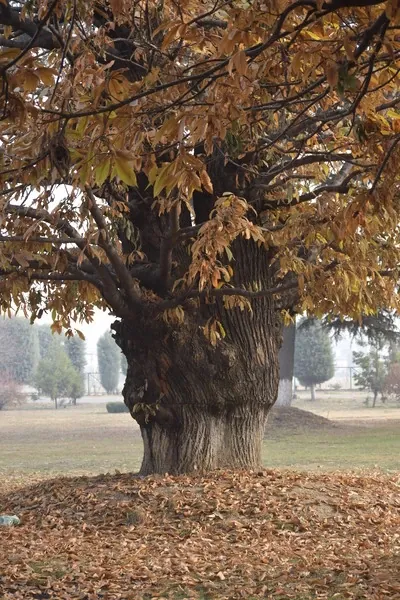
| Best Season | Year-round; Autumn (October–November) brings crisp air and golden Chinar foliage. |
| Walking Time | 3 to 4 hours for the Shehr-e-Khaas heritage circuit. |
| Dress Code | Modest attire mandatory: covered shoulders, full pants/dresses, and headscarves for entering active shrines and mosques. |
| Transport | Take an auto-rickshaw or taxi to Jamia Masjid (Nowhatta); explore the inner alleyways entirely on foot. |
| Houseboat Tip | Choose Nigeen Lake for peaceful mountain reflection; choose Dal Lake (Ghats 12–16) for vibrant shikara life. |
| Last Verified Date | October 2026 |
Shehr-e-Khaas: The Heritage Walking Circuit
The Old City of Srinagar developed over millennia along the banks of the River Jhelum, spanned by historic wooden bridges (Kadal). Here is the recommended walking route:
Jamia Masjid (Nowhatta) ──(15 min walk)──> Khanqah-e-Moula (Zaina Kadal)
   ──(10 min walk)──> Tomb of Zain-ul-Abidin's Mother ──(10 min walk)──> Copperware & Spice Bazaars
1. Jamia Masjid (Nowhatta)
Commissioned by Sultan Sikandar in 1394 CE and expanded by his son Zain-ul-Abidin (Budshah), this monumental mosque is an architectural triumph of Indo-Saracenic design.
- The Architecture: Unlike domed Mughal mosques, Jamia Masjid features a vast central open courtyard surrounded by quiet cloisters supported by 378 monolithic deodar cedar pillars, each carved from a single ancient Himalayan trunk.
- Atmosphere: Step inside to escape the city roar. The deodar wood naturally cools the interior, filling the sanctuary with a sweet, resinous forest scent.
2. Khanqah-e-Moula (Zaina Kadal)
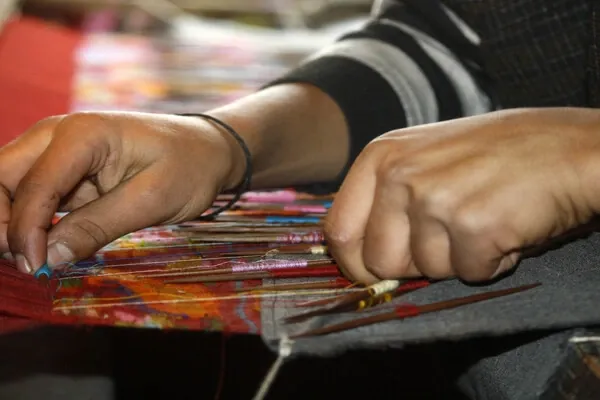
Perched directly on the right bank of the Jhelum River, this shrine was founded in 1395 to commemorate Mir Sayyid Ali Hamadani, the Persian polymath and Sufi saint who introduced Islam and Persian arts (carpet weaving, papier-mâché, woodcarving) to Kashmir.
- Visual Splendor: Built without a single iron nail, the wooden structure is adorned with intricate Khatamband (geometric wooden ceilings) and vibrant polychrome papier-mâché and papier-peint murals in green, lapis blue, and gold.
3. Zaina Kadal Bazaars: Copperware & Spice Lanes
Step out of the shrines into the bustling lanes of Zaina Kadal and Bohri Kadal:
- Kandkari Copper Guilds: Listen for the rhythmic pinging of chisels against copper. Master craftsmen hand-engrave traditional Kashmiri tea kettles (samovars), platters (tramis), and serving jugs.
- Spice Merchants: Sacks overflowing with purple dried saffron, whole dried Kashmiri chilies (dagad phool), cockscomb flowers (mawal for coloring Rogan Josh), and mountain walnuts.
Houseboat Living: Dal Lake vs. Nigeen Lake
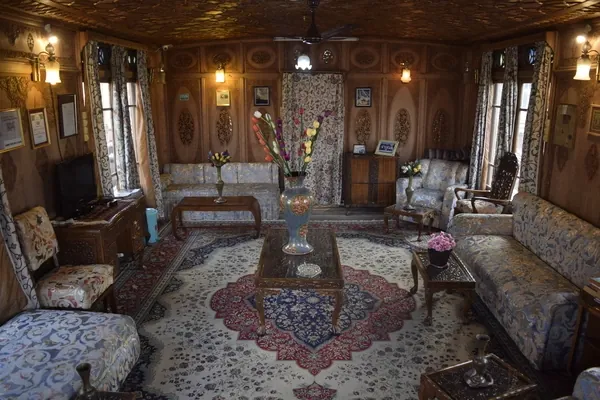
A stay on a carved cedarwood houseboat (doonga) is an essential Kashmir tradition begun during the British Raj.
| Aspect | Dal Lake Houseboats | Nigeen Lake Houseboats |
|---|---|---|
| Location | Along Boulevard Road (Ghats 1 to 18). | 6 km north of Dal, connected by a narrow waterway. |
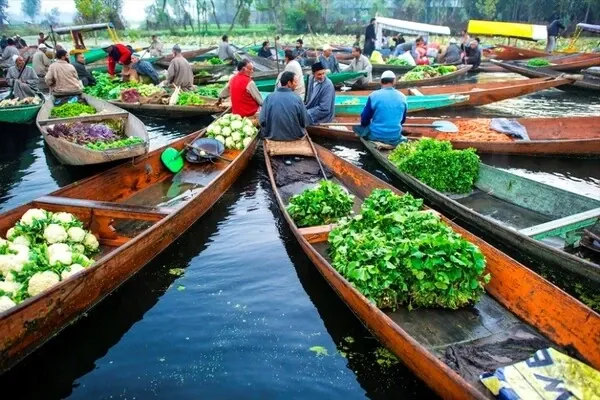
| Vibe | Bustling, energetic, floating vendors, frequent Shikara traffic. | Peaceful, serene, surrounded by willow trees; fewer motorboats. |
| Ideal For | First-timers, families wanting instant market access. | Honeymooners, writers, travelers seeking tranquility. |
| Heating | Traditional bukhari wood stove or electric blankets. | Traditional bukhari or modern heat-pumps in luxury boats. |
Practical Houseboat Checklist
- Hot Water Supply: Clarify whether hot water is available 24/7 (gas geyser) or on scheduled morning/evening hours.
- Heating in Winter: Ensure your boat provides operational heating—either a working bukhari (wood-burning chimney stove) or heavy electric blankets.
- Shikara Crossings: Confirm whether transfers between your houseboat and the boulevard ghat are included in your tariff.
Photo gallery