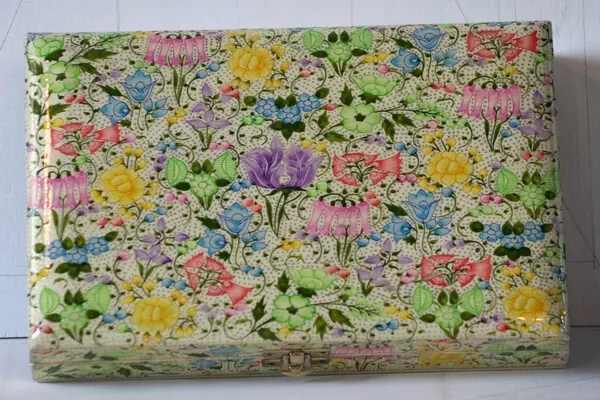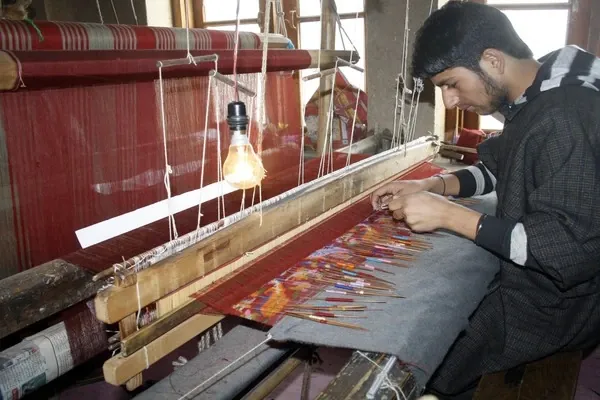
Kashmir is a living treasury of world-renowned artisanal handicrafts. For over six centuries, hereditary guilds of master craftsmen have perfected the art of hand-spinning delicate Pashmina shawls, hand-knotting intricate silk-on-cotton carpets, hand-carving seasoned walnut wood, and cultivating the world’s most fragrant saffron.
However, the commercial popularity of Kashmiri handicrafts has also spawned a massive counterfeit industry. Unsuspecting tourists routinely spend thousands of rupees on cheap synthetic viscose shawls passed off as pure Pashmina, or buy dyed corn-silk masquerading as Pampore saffron.
Here is your definitive consumer guide to understanding authentic Kashmiri craftsmanship, testing products on the spot, and shopping with confidence.
Quick Facts
| Parameter | Details |
|---|---|
| Pure Pashmina Price | ₹8,000 to ₹35,000+ (Plain to hand-embroidered Sozni). Look for GI Micro-Tag. |
| Pampore Saffron Price | ₹250 to ₹400 per gram (Dark red trumpet stigmas; bitter taste; slow yellow water release). |
| Walnut Wood Carvings | Seasoned root/stem timber with deep relief (Kandkari) and undercut lattice work (Jali). |
| Hand-Knotted Carpets | Silk-on-silk or silk-on-cotton; prices depend on knots per square inch (KPSI). |
| Govt Fixed Showrooms | Government Arts Emporium on Residency Road for certified authenticity. |
| Last Verified Date | October 2026 |
Craft & Authenticity Comparison Matrix
| Craft / Souvenir | Authentic Price Range | Primary Counterfeit Material | Simple Spot Test |
|---|---|---|---|
| Pure Pashmina Shawl | ₹8,000 to ₹35,000+ (Plain to hand-embroidered Sozni). | Viscose, synthetic acrylic, or sheep wool blends. | Burn Test: Fringes smell like burning hair and crush into powdery black ash (never melts into a hard plastic bead). |
| Pampore Saffron (1g) | ₹250 to ₹400 per gram. | Dyed plastic strands, dyed shredded corn silk. | Warm Water Test: Releases delicate golden-yellow color slowly over 15 min; thread retains shape and stays red. |
| Carved Walnut Wood | Varies by size (₹1,500 box to ₹40,000+ tables). | Cheap stained pine or composite wood. | Authentic walnut is heavy, cool to the touch, and features natural, unpainted swirling wood grain. |
| Silk-on-Silk Carpet | ₹25,000 to ₹3,00,000+ based on knots per square inch (KPSI). | Mercerized cotton or artificial rayon. | Genuine silk reflects light dynamically, changing sheen when viewed from opposite ends. |
| Last Verified Date | October 2026 |
1. Pashmina: The Royal Cashmere Fleece
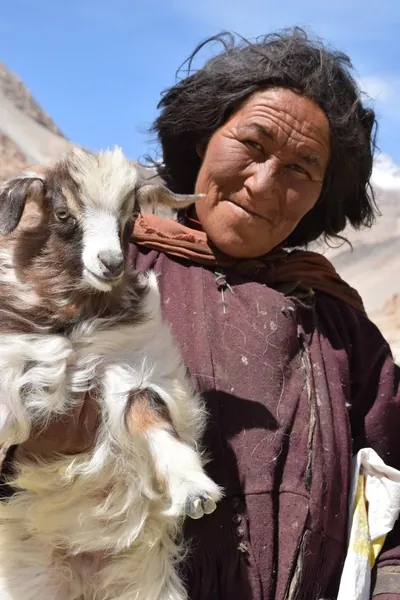
Pashmina is the ultra-fine downy undercoat combed by hand from the Himalayan mountain goat (Capra hircus / Changthangi), which grazes at altitudes above 14,000 feet in Ladakh. The fiber is extraordinarily fine—typically 12 to 15 microns in diameter (six times thinner than a human hair).
Changthangi Goat Down (Ladakh) ──(Combed & Sorted)──> Hand-Spun on Charkha (Kashmir)
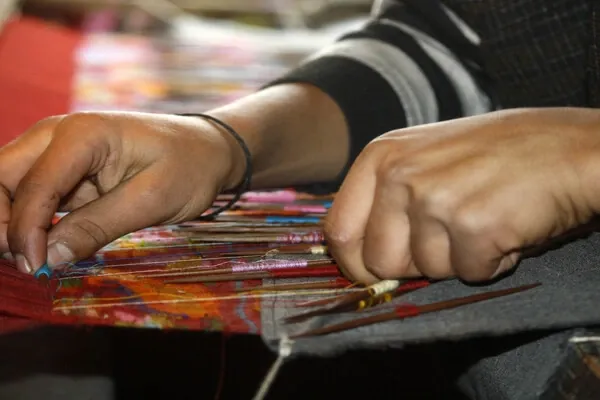
   ──> Hand-Woven on Wooden Looms ──> Sozni / Tilla Embroidery ──> GI-Tagged Pashmina
3 Tests to Verify Pure Pashmina
- The Burn Test (The Gold Standard): Ask the shopkeeper to pull a tiny single fiber from the unfinished fringe and burn it with a lighter:
- Authentic Pashmina: Burns slowly with the distinct organic odor of singed human hair. The burnt tip crumbles into a soft, powdery black ash between your fingers.
- Fake / Synthetic: Burns quickly with a chemical plastic smell, melting into a hard, unyielding plastic bead.
- Look for the GI (Geographical Indication) Tag: Genuine Kashmiri Pashmina shawls carry a laser-etched, tamper-proof GI micro-tag registered with the Craft Development Institute (CDI) of Srinagar. You can scan the tag with your smartphone to verify the master artisan’s identity and fiber purity.
- The “Ring Test” Myth: While a fine plain Pashmina can slip through a wedding ring, modern synthetic acrylic and viscose shawls can easily pass through a ring as well! Do not rely solely on the ring test.
2. Pampore Saffron: The World’s Most Precious Spice
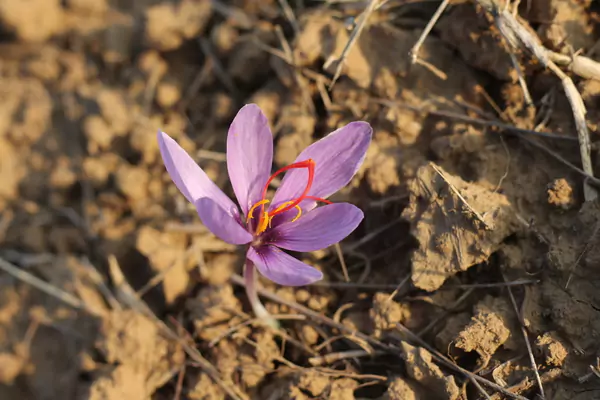
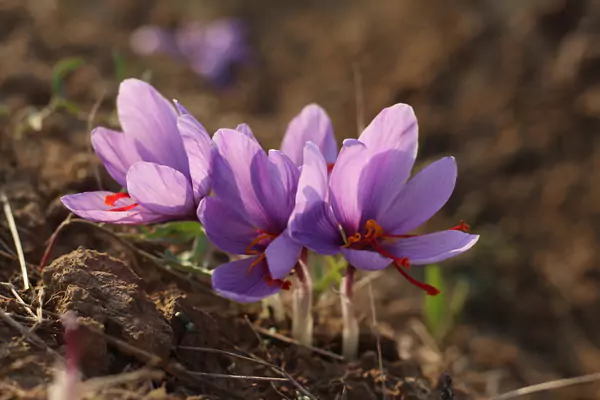
Kashmiri saffron (Crocus sativus) is renowned for its high concentration of crocin (color), safranal (aroma), and picrocrocin (bitter flavor), giving it a dark crimson color and distinct trumpet-shaped stigmas.
How to Spot Fake Saffron
- The Warm Water Test: Drop 2 to 3 saffron threads into a small cup of warm water:
- Pure Saffron: Slowly releases a delicate, luminous golden-yellow hue over 10 to 15 minutes. The threads themselves stay dark red, remain intact, and do not lose their structural shape.
- Fake / Adulterated Saffron: Instantly turns the water an artificial deep blood-red or neon orange within seconds, and the threads turn pale or dissolve into mush.
- The Taste & Smell: Real saffron smells sweet and hay-like, but tastes distinctly bitter when chewed. If the saffron tastes sweet on your tongue, it has been treated with sugar syrup to add artificial weight.
3. Hand-Carved Walnut Wood (Doon Kaam)
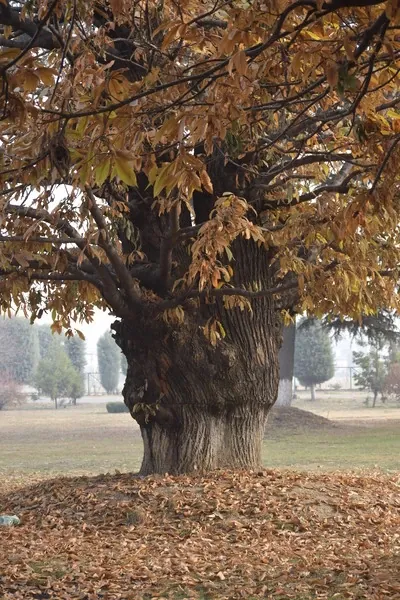
Kashmir is the only region in India where the walnut tree (Juglans regia) grows abundantly. Under state forestry laws, walnut trees can only be felled after they have ceased bearing fruit.
- Types of Wood:
- Root Wood (Most Expensive): Dark nearly black timber taken from beneath the soil, featuring intricate swirling grain and extreme density.
- Stem / Trunk Wood: Dark brown wood used for furniture, screens, and tables.
- Branch Wood: Lighter pale wood used for smaller boxes and trays.
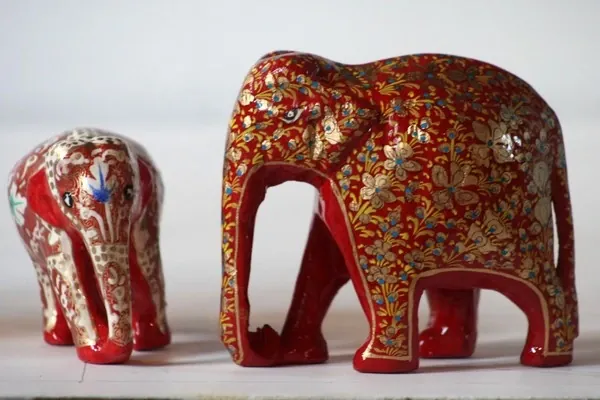
- Carving Styles: Look for deep relief (Kandkari) and open undercut lattice work (Jali), where master carvers hollow out interlocking grape leaves, chinar foliage, and dragon motifs from a single solid block of wood without joints or glue.
Where to Shop Reliably in Srinagar
- Government Arts Emporium (Residency Road): Operated by the J&K Handicrafts Department in a historic heritage bungalow. Prices are strictly fixed, and all carpets, shawls, and wood carvings carry guaranteed government authenticity certificates.
- Direct Artisan Guilds in Shehr-e-Khaas: Venture into the craft lanes of Zaina Kadal, Eidgah, and Zadibal. Buying directly from master weavers (Ustaads) cuts out middleman retail markups by 30% to 40%.
- Pampore Saffron Cooperatives: When driving along the highway in Pampore, purchase saffron directly from state-recognized saffron growers’ societies or the India International Kashmir Saffron Trading Centre (IIKSTC).
Photo gallery