Short answer: Voluntourism (volunteer tourism) means travelling to a place and spending part of your time volunteering your skills on a local project, such as teaching, healthcare, conservation or craft development, while experiencing the local culture. Done well, it is travel with a purpose: you learn as much as you give. Done badly, especially with children, it can cause real harm. That is why choosing the right programme matters.
Quick Facts
| Parameter | Details |
|---|---|
| Definition | Travel combined with voluntary work on a local project |
| Typical length | From two weeks to several months |
| Cost | Free to moderate. Fees usually cover food, stay and programme running costs. |
| Common fields | Education, health, environment, crafts, agriculture, sport, disaster recovery |
| Biggest red flag | Short-term volunteering with children in orphanages |
| Visa note (India) | Check visa rules. India’s e-Tourist visa has narrow conditions for unpaid short-term voluntary work. |
| Last verified | November 2026 |
What Does Voluntourism Mean?
The word blends volunteering and tourism. A voluntourist travels to a new place, often rural, mountainous or recovering from hardship, and contributes time or skills to a project there. In return, they get something leisure travel rarely offers: close, everyday contact with a local community.
A good voluntourism programme balances three things: cultural exchange, meaningful contribution and enjoyment of the place.
Types of Voluntourism Programmes
| Field | Example |
|---|---|
| Education | A teacher spends mornings helping at a village school and afternoons exploring the valley. |
| Health | A doctor or nurse supports a community health camp, or trains local staff in a new procedure. |
| Sport | A coach runs football or cricket sessions for young people in a mountain town. |
| Environment | Volunteers help with lake clean-ups, tree planting or wildlife surveys. |
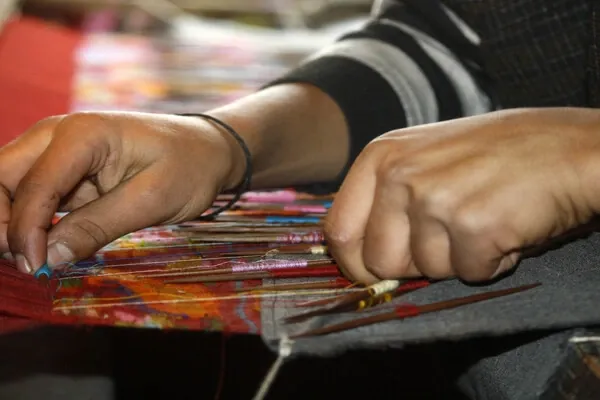
| Crafts and livelihoods | Designers work with artisans on new products, branding or market access. |
| Agriculture | Travellers help on orchards or farms during harvest and learn traditional methods. |
| Disaster recovery | Skilled volunteers support professional relief organisations after a flood or earthquake. |
Why Choose Voluntourism?
Voluntourism offers a depth of experience that ordinary sightseeing cannot. Staying with a village family in a beautiful valley, sharing their meals and working alongside them is far richer than a hotel stay with no real connection to the place.
For communities facing poverty, isolation or the aftermath of a disaster, skilled volunteers can make a genuine difference, but only when a professional programme matches the right skills to real local needs.
Is Voluntourism Free?
It depends on the programme. Voluntourism generally counts as budget travel:
- Free or exchange-based: Some programmes offer free food and accommodation in return for a service, such as teaching.
- Fee-based: Others charge a fee to cover accommodation, meals, transport, training and supervision.
Ask for a clear breakdown of where your money goes. A reputable programme will tell you. Many slow travellers stay a month or more, giving time and skills rather than money.
The Pros of Voluntourism
- Builds understanding and goodwill between cultures
- Lets you meet people and form lasting friendships
- Gives a strong sense of purpose and contentment
- Boosts confidence and self-esteem
- Helps communities and projects that need support
- Adds real value to school, university and professional experience
- Strengthens your CV and career prospects
- Makes travel more fun and more memorable
- For many people of faith, it is also a meaningful act of service
The Cons and Risks of Voluntourism
Voluntourism has serious pitfalls, and it is important to be honest about them.
- Harm to children. Short-term volunteering in orphanages is widely criticised by child-protection organisations such as Save the Children and UNICEF. Children can form attachments to a stream of temporary visitors, which harms their development. Demand from volunteers has also fuelled “orphanage tourism”, where children are kept in institutions to attract donations. Avoid any programme that offers casual, unchecked access to children.
- Reinforcing stereotypes. Poorly designed trips can present local people as helpless recipients of charity rather than equals.
- Treating symptoms, not causes. Painting a school for a week rarely addresses why the school lacks resources.
- Taking local jobs. If volunteers do work that local labourers would be paid for, such as construction, the programme can undermine local livelihoods.
- Unskilled help in a crisis. In disasters, untrained volunteers can get in the way of professional responders and add to the burden.
None of this means voluntourism is bad. It means the programme design matters enormously.
How to Choose an Ethical Voluntourism Programme
- Match your skills to a real local need. Doctors, engineers, teachers and digital professionals can leave lasting value, for example by training local staff who stay after you leave.
- Prefer longer commitments. A few months usually achieves far more than a few days.
- Check child-protection policies. Reputable programmes require background checks and never allow unsupervised access to children.
- Ask who leads the project. The best projects are designed and run by local people, with volunteers in a supporting role.
- Ask where the money goes. Fees should be transparent.
- See it as an exchange, not a rescue. Go to learn and share, not to “help the poor”.
- Check your visa. Volunteering may need a specific visa or have strict conditions.
Where Is Voluntourism Most Valuable?
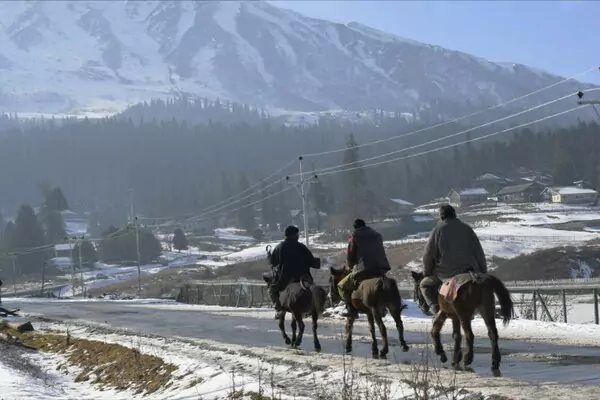
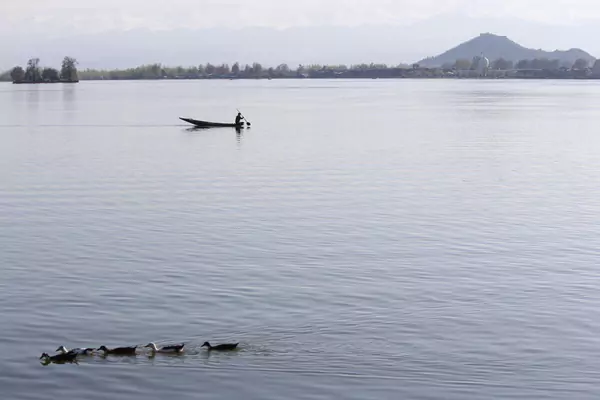
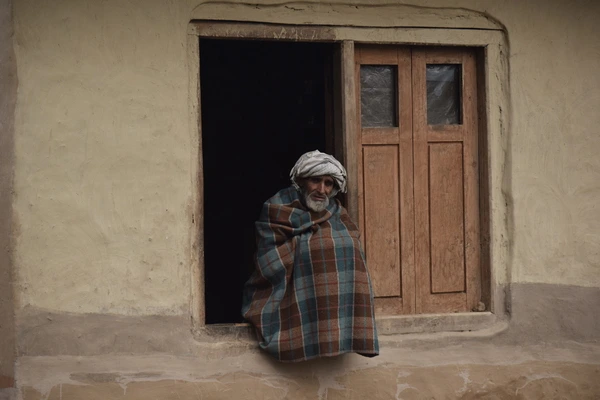
Every place has something to offer, but voluntourism tends to be most valuable in rural and mountain regions where services are thin and travel is hard. In India, regions such as Kashmir, Uttarakhand, Himachal Pradesh and Kerala offer many opportunities. Read about volunteering in Kashmir, or learn the difference between volunteerism and voluntourism.
Voluntourism with Travelihood
At Travelihood, we believe travel should create livelihoods. Our motto, “Conquering places and hearts”, means offering unconventional journeys where you see a culture up close, enjoy a trip of a lifetime, and help strengthen the community you visit. We aim to turn travel from recreation into giving.
Photo gallery