Short answer: Kashmir has some of the most beautiful treks in the Himalayas, including the Kashmir Great Lakes, Tarsar Marsar, Gangbal–Naranag and Kolahoi Glacier. The usual season runs from late June to mid-September. The major routes are open, as verified by our team in November 2026, after the closures that followed the April 2025 Pahalgam attack. Trek only with a registered operator who holds the required police and forest permissions.
Current status
| Parameter | Details |
|---|---|
| Current status | Open. Great Lakes, Tarsar Marsar, Kolahoi and Gangbal (verified November 2026) |
| Local restrictions | Police can restrict specific forest areas at short notice (as in Tangmarg and Kokernag in early 2026). Check with your operator. |
| Usual trek season | Late June to mid-September |
| Who to trek with | Registered, licensed operators only, with police and forest permissions in place |
| Solo or independent trekking | Not advisable |
| What to check | Official J&K Tourism, district administration and police advisories, plus your operator’s written permission |
| Last verified | November 2026 |
This page is updated whenever route status changes. Planning for the 2027 season? Contact us and we will tell you the latest.
Why Trek in Kashmir?
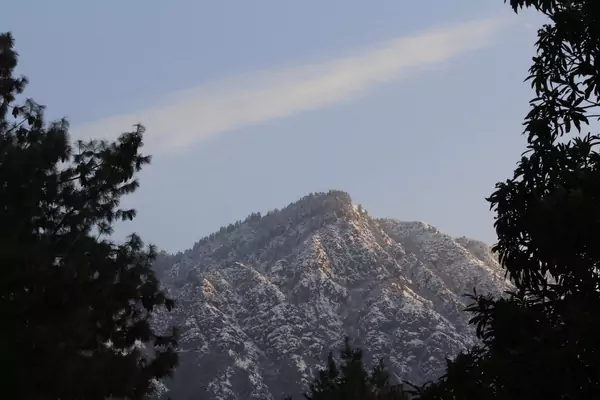
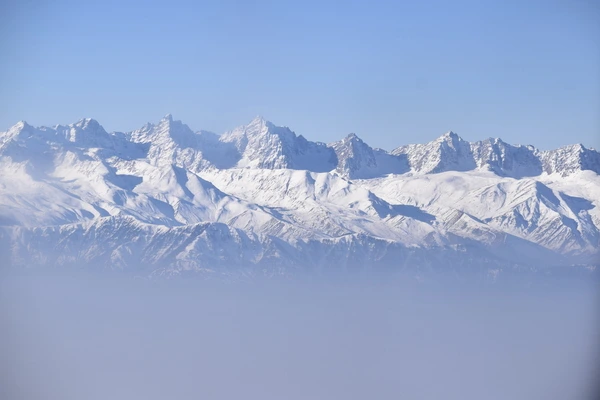
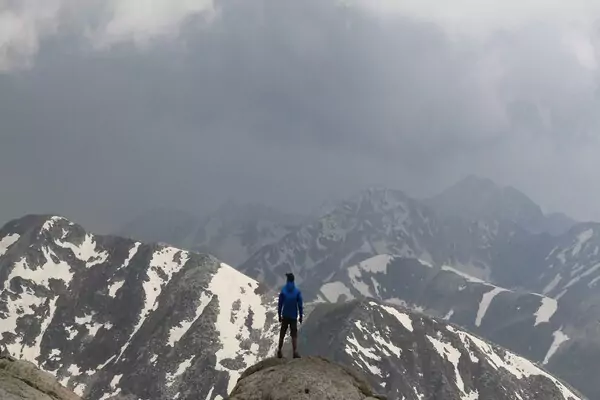
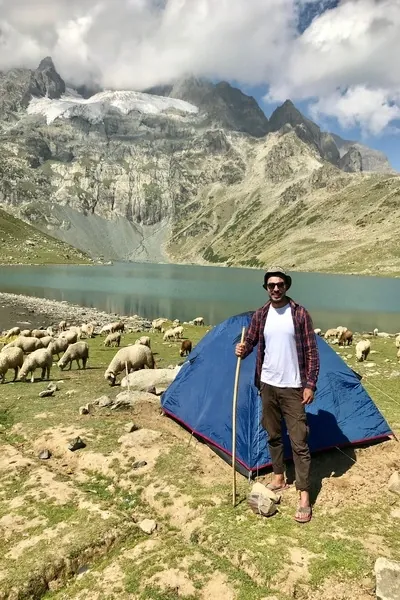
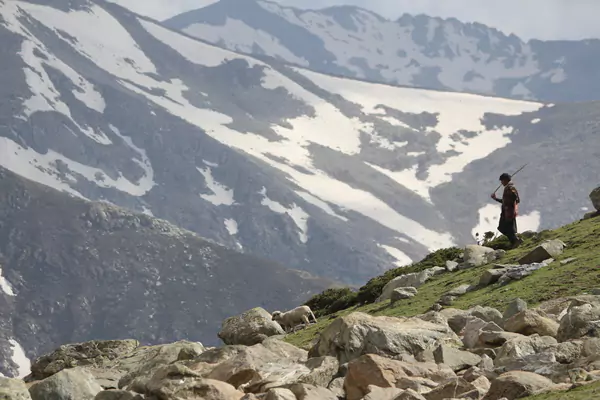
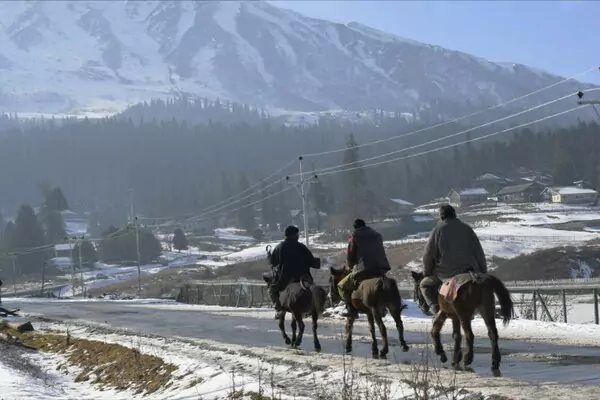
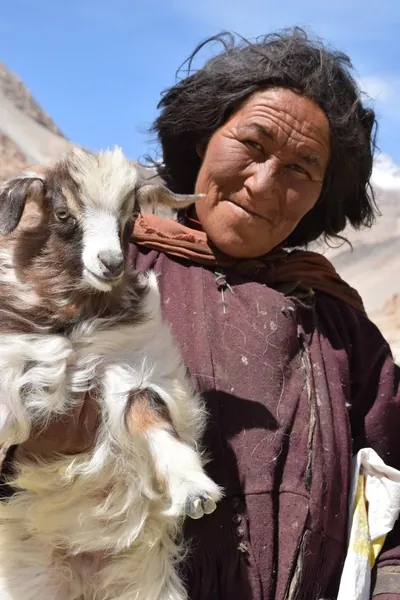
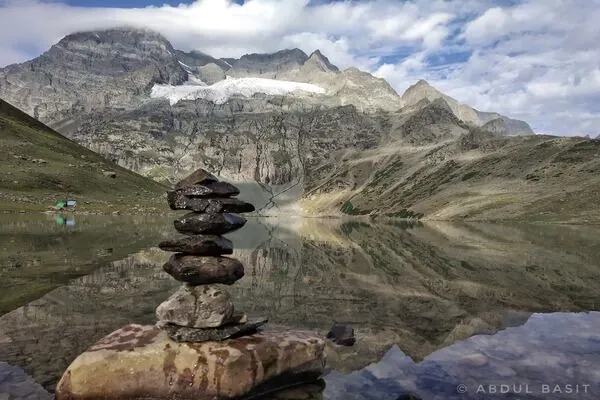
Kashmir’s trails cross alpine meadows (margs) dotted with shepherd huts, climb high passes and drop to turquoise glacial lakes beneath the peaks of the Great Himalayan range. Wildflowers bloom in July and August, and nomadic Bakarwal and Gujjar families move their flocks through the same meadows they have used for generations.
The Best Treks in Kashmir
1. Kashmir Great Lakes (KGL)
- Route: Sonamarg (Shitkadi) → Nichnai → Vishansar and Kishansar → Gadsar → Satsar → Gangbal → Naranag
- Duration: 7–8 days · Max altitude: about 4,200 m (Gadsar Pass)
- Difficulty: Moderate to difficult
- Highlights: Seven alpine lakes, meadows and big passes. Often called India’s most beautiful trek.
- Full guide: Kashmir Great Lakes trek
2. Tarsar Marsar
- Route: Aru (Pahalgam) → Lidderwat → Shekwas → Tarsar Lake → Sundarsar → Marsar
- Duration: 6–7 days · Max altitude: about 4,000 m
- Difficulty: Moderate
- Highlights: Twin lakes and some of the best meadow campsites in Kashmir.
- Full guide: Tarsar Marsar trek
3. Gangbal and Naranag
- Duration: 3–4 days · Max altitude: about 3,600 m
- Difficulty: Moderate (steep first day)
- Highlights: Gangbal and Nundkol lakes below Mount Harmukh, plus the ancient Naranag temples.
4. Kolahoi Glacier
- Route: Aru → Lidderwat → Satlanjan → Kolahoi base
- Duration: 3–4 days · Difficulty: Moderate
- Highlights: The glacier beneath Kolahoi peak (about 5,425 m), the source of the West Lidder river.
5. Thajiwas and Sonamarg day hikes
- Duration: Half-day to full-day · Difficulty: Easy to moderate
- Highlights: Glacier views and waterfalls from Sonamarg. The Thajiwas Glacier area reopened in February 2026. Sonamarg guide
6. Easy walks for non-trekkers
Gentle meadow walks in Doodhpathri, Yusmarg and Gulmarg (both reopened or open in 2026) give you a taste of the mountains without camping. See Yusmarg and Doodhpathri.
Trekking Seasons in Kashmir
| Month | Conditions |
|---|---|
| June | Snow lingers on high passes. Lower trails open. |
| July | Wildflowers peak. Some rain. Busiest month. |
| August | Lakes at their bluest. Occasional heavy showers. |
| September | Clear, crisp and colder nights. Season ends by mid-September. |
| October–May | Snow on most routes. Not suitable for standard treks. |
Permits, Registration and Operator Rules
- Trek through a registered operator. J&K requires tourism and adventure businesses to register with the Tourism Department, and operators need police and forest clearances for each route.
- Expect checkpoints. Carry original photo ID (passport for foreigners) and copies.
- Medical fitness: Most operators ask for a medical certificate and a declaration form for high-altitude treks.
- Foreign nationals: Check that your operator can take foreigners on your chosen route, and buy insurance that covers trekking in Jammu & Kashmir. Several governments advise against travel to the region.
Never trek on a route that has been temporarily closed, even if someone offers to take you “unofficially”. It is unsafe and illegal, and it puts local guides at risk.
Safety and Preparation
- Acclimatise. Spend a night in Sonamarg or Pahalgam before starting, and learn the signs of altitude sickness.
- Fitness: Train for 6–8 weeks before the trek. Aim to jog 5 km in about 35 minutes.
- Weather: Afternoon storms are common. Carry rain gear and warm layers year-round.
- No mobile signal on most routes. Your operator should carry a satellite phone or radios.
- Leave no trace. Carry out all waste. These meadows are grazing land for nomadic families.
What to Pack
- Broken-in trekking boots with ankle support
- Three layers: base layer, fleece and a down or insulated jacket
- Waterproof jacket and trousers
- Sun hat, UV sunglasses, high-SPF sunscreen and lip balm
- Trekking poles
- Headlamp, water bottles and purification tablets
- Personal medicines and a basic first-aid kit
- Original ID and copies
Photo gallery