Note
✅ Status update (5 November 2026): The Kashmir Great Lakes trek and the Tarsar Marsar trek are open. This was verified by the Travelihood team on the ground. Conditions in Kashmir can change at short notice, so check with your hotel, driver or operator before you set out. Trek season normally runs from late June to mid-September. Book treks only with a registered operator.
While the Kashmir Great Lakes (KGL) trek is famous for dramatic pass crossings and raw ruggedness, the Tarsar Marsar Trek is celebrated for its unmatched poetry and intimacy. Starting from the charming eco-village of Aru in Pahalgam, this trek leads through broad, velvety pine valleys, nomadic Gujjar settlements, and ascending alpine bowls to two peerless twin lakes: Tarsar and Marsar.
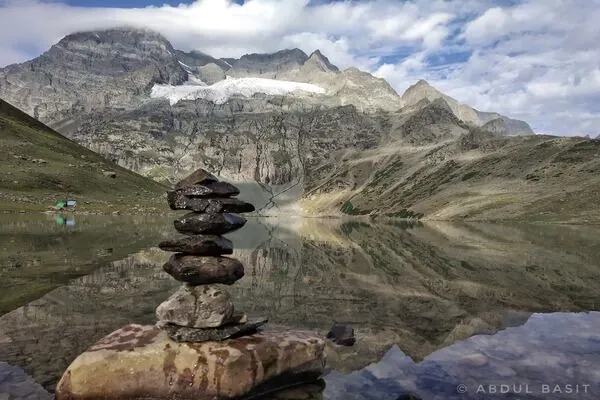
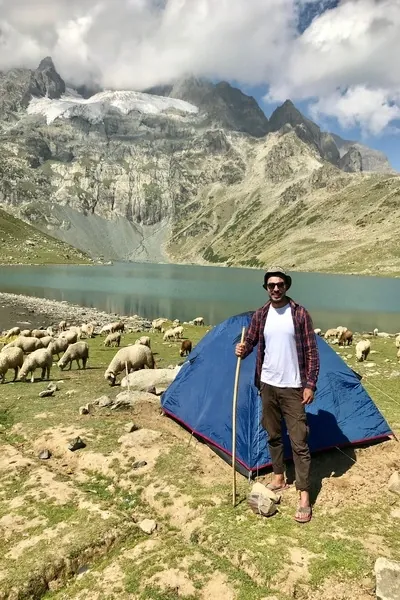
What makes Tarsar truly legendary among mountain lovers is that you don’t merely look down on the lake from a distant ridge—you pitch your tent directly on the grassy shores of the almond-shaped turquoise tarn, watching the water change color from royal blue to aquamarine under the passing Himalayan clouds.
Here is the complete field guide to route stages, campsite logistics, and trail preparation for Tarsar Marsar.
Quick Facts
| Parameter | Details | |
|---|---|---|
| Total Distance & Time | 47 km \ | 6 Days (including 1 buffer day). |
| Best Season | July to September (Lush green alpine grass and pleasant summer daytime temperatures). | |
| Max Altitude | Tarsar Pass (13,500 ft / 4,115 m). | |
| Difficulty Rating | Moderate. Gentler gradients and shorter daily distances compared to KGL. | |
| Trailhead & Base | Starts and concludes at Aru Valley (12 km from Pahalgam). | |
| Permits Required | Wildlife Department permit & Forest Department clearance (arranged by guide/agency). | |
| Last Verified Date | October 2026 |
Day-by-Day Trail Route
Day 1: Aru Valley (7,926 ft) ──(10 km forest walk)──> Lidderwat Meadow (9,130 ft)
Day 2: Lidderwat ──(6 km gradual climb)──> Shekhawas Alpine Pasture (11,000 ft)
Day 3: Shekhawas ──(5 km)──> Tarsar Lake (12,450 ft, Camp on the lake shore)
Day 4: Tarsar ──(cross Tarsar Pass: 13,500 ft)──> Sundersar Lake (12,900 ft)
Day 5: Sundersar ──(hike to Marsar Viewpoint: 13,200 ft)──> Descend to Homwas
Day 6: Homwas ──(13 km descent)──> Aru Valley ──> Drive to Pahalgam / Srinagar
Detailed Trail Highlights
1. Aru to Lidderwat: The Conifer Corridor
The trek begins at Aru Valley, following the dancing waters of the Lidder river through thick forests of blue pine, silver fir, and walnut groves. Emerging into Lidderwat, you enter a vast, pastoral meadow where Gujjar wood-log huts sit beneath towering crags.
2. Tarsar Lake: The Turquoise Jewel
Tarsar is an almond-shaped glacial lake surrounded by steep shale peaks. The water is so pure and clear that you can see smooth river boulders meters beneath the surface.
- The Shoreline Camp: Camping right at the water’s edge allows you to experience dawn on Tarsar, when early light paints the surrounding mountain amphitheater in gold and the surface reflects the sky like liquid mercury.
3. Sundersar Lake & The Marsar Enigma
- Sundersar (“Beautiful Lake”): A smaller, circular alpine lake bordered by carpets of yellow wildflowers.
- Marsar Lake (“The Lake of Death”): A short 45-minute climb from Sundersar brings you to a high cliff ridge looking down upon the moody, mist-shrouded waters of Marsar. Marsar is steeped in local folklore; herders believe the lake is inhabited by supernatural spirits and that throwing stones into its depths summons fierce thunderstorms. Unlike Tarsar, camping on the immediate shores of Marsar is forbidden by tradition.
KGL vs. Tarsar Marsar: Which Should You Choose?
| Comparison Point | Kashmir Great Lakes (KGL) | Tarsar Marsar |
|---|---|---|
| Trek Duration | 7 Days (72 km) | 6 Days (47 km) |
| Physical Intensity | High (Longer daily walks, tough boulder fields) | Moderate (Gentle climbs, shorter days) |
| Campsite Vibe | Rugged, dramatic, set back from lake shores | Intimate; camp directly beside Tarsar Lake |
| Fitness Required | High stamina, previous trekking experience advised | Good baseline fitness; accessible to active beginners |
| Trailhead Access | Sonamarg (Start) / Naranag (Exit) | Round-trip starting and ending at Aru Valley |
Practical Trail & Gear Advice
- Invest in Ankle-Support Boots: While the gradients on Tarsar Marsar are gentler than KGL, you will traverse rocky scree near Tarsar Pass. Boots with firm ankle collars prevent twists.
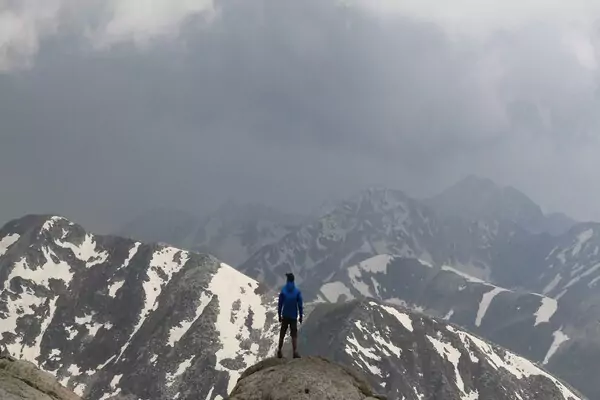
- Waterproof Layering: Himalayan mountain weather is notoriously fickle. Even on sunny mornings, afternoon thunderstorms can roll in over the passes. Always pack a 3-layer Gore-Tex or 10,000mm-rated waterproof jacket and rain poncho in your daypack.
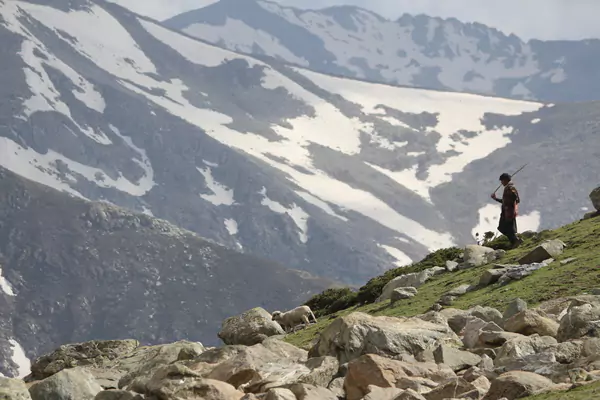
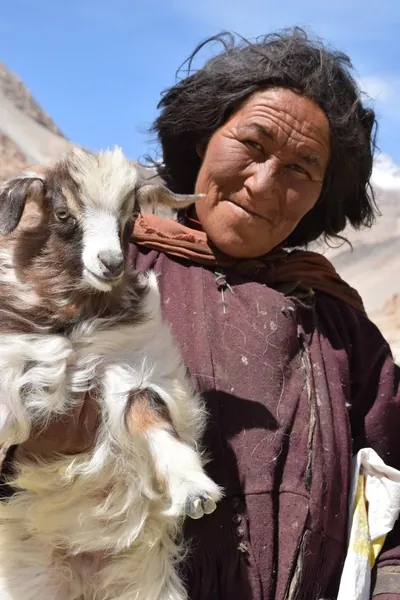
- Respect Nomadic Communities: The Gujjar and Bakarwal shepherds who spend their summers in Shekhawas and Lidderwat are warm and hospitable. Do not photograph children or women without polite permission.
Photo gallery