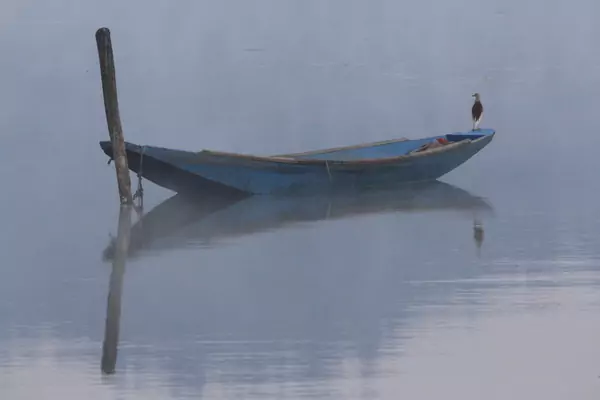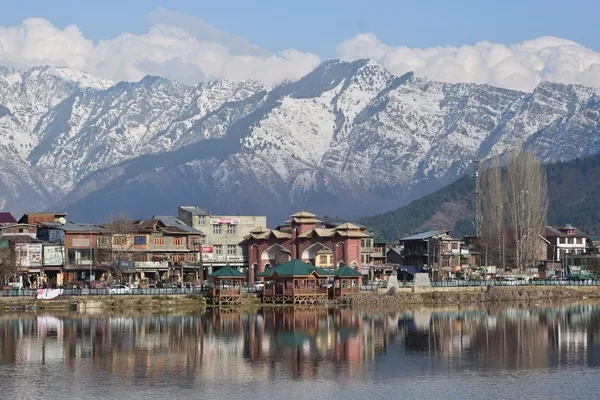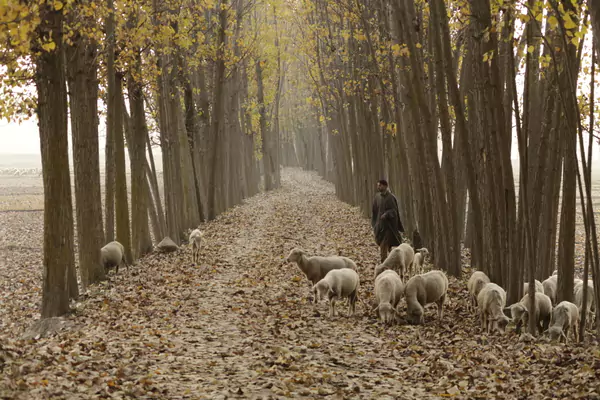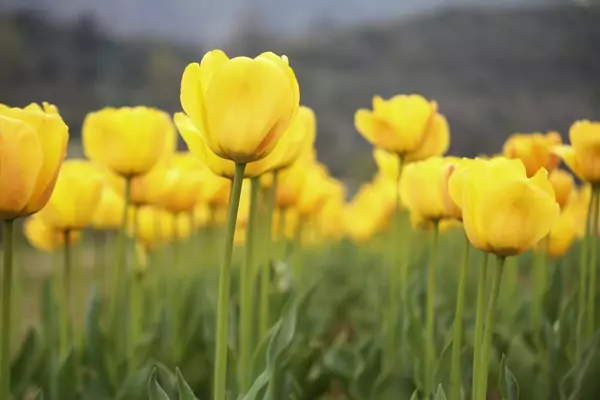
Kashmir is a landscape photographer’s dream: ethereal water reflections on glacial lakes, symmetrical Mughal terraced cascades, labyrinthine cedar-wood alleys in medieval bazaars, and jagged 14,000-foot Himalayan ridges glowing in golden-hour light.
However, capturing extraordinary imagery in Jammu & Kashmir requires more than just an expensive camera body and a sharp lens. Because of high-altitude light intensity, delicate water reflections, strict military security zones, and conservative cultural traditions, photographers must balance technical knowledge with cultural sensitivity.
Here is the master field guide to Kashmir’s premier sunrise/sunset vantage points, seasonal color palettes, drone laws, and portrait etiquette.
Quick Facts
| Parameter | Details |
|---|---|
| Top Sunrise Spot | Dal Lake Floating Vegetable Market (5:30 AM–6:45 AM) & Nigeen Lake Western Shore. |
| Top Sunset Spot | Pari Mahal Terraces (Srinagar) & Apharwat Peak Ridge (Gulmarg). |
| Drone Regulations | STRICTLY PROHIBITED. Flying civilian drones in Srinagar, Gulmarg, or border areas is illegal under defense security acts. |
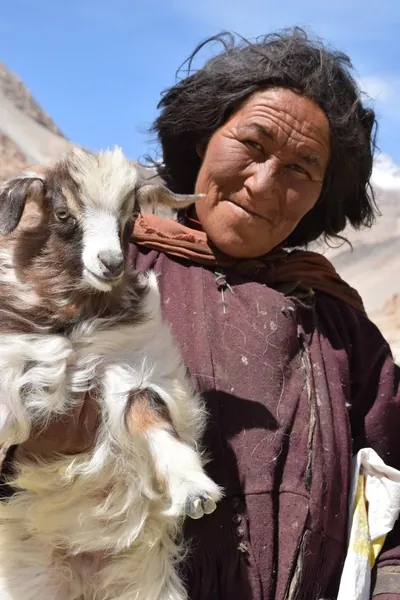
| Portrait Etiquette | Always ask polite verbal permission before photographing locals, especially women, elders, and praying devotees. |
| Essential Filters | Circular Polarizer (CPL) for water glare; 3-stop or 6-stop Neutral Density (ND) for silky waterfall shots. |
| Last Verified Date | October 2026 |
The Top 5 Photographic Vantage Points in Kashmir
[Dawn / Sunrise]  ──> Dal Lake Floating Market (5:30 AM) ──> Mirror Reflections on Nigeen
[Midday / Golden] ──> Jamia Masjid Wood Pillars ──> Saffron Fields of Pampore
[Sunset / Dusk]   ──> Pari Mahal Terraces (6:00 PM) ──> Apharwat Ridge Summit
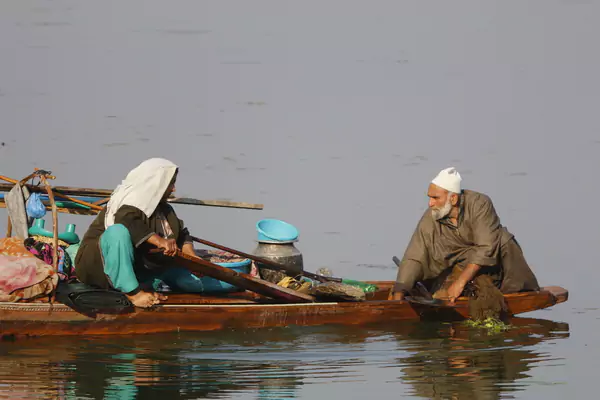
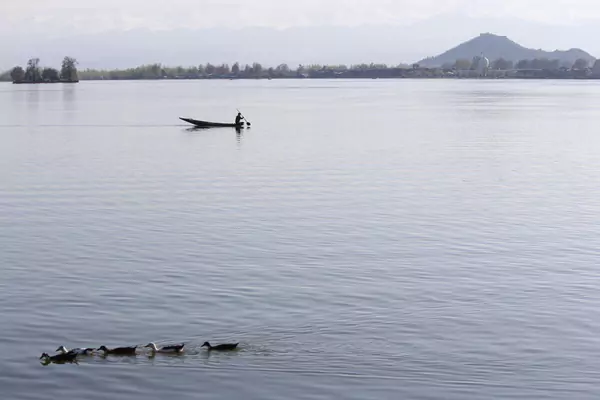
1. The Dawn Floating Vegetable Market (Dal Lake)
- The Shot: Centuries-old barter market where local vegetable growers gather in wooden canoes (Czek) amidst lotus marshes.
- Lighting: Soft, directional morning sunlight cutting through early mist and wood smoke. Capture candid trades of radishes, lotus stems (nadru), and leafy greens.
- Lens Choice: 24-70mm $f/2.8$ or 50mm prime to capture environmental portraits without intruding on traders’ boats.
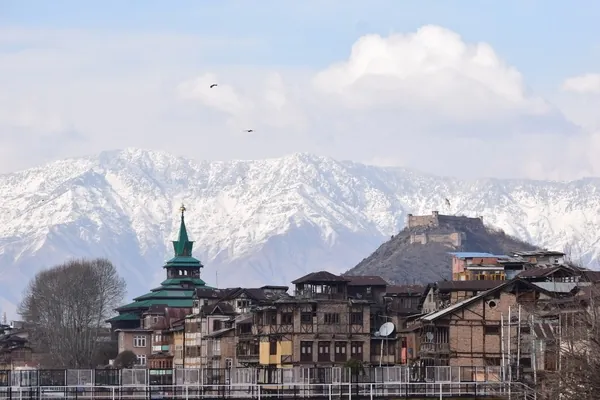
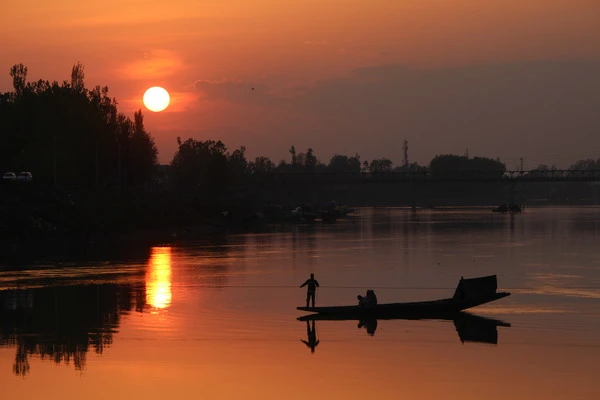
2. Pari Mahal at Sunset (Srinagar)
- The Shot: The ruined 17th-century six-terraced palace of Dara Shikoh perched high on the Zabarwan range.
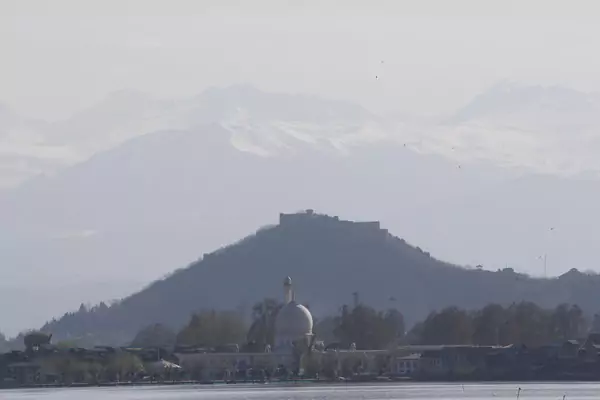
- Composition: Position yourself on the top terrace looking west. You will capture the arched stone palace windows in the foreground, with the entire expanse of Dal Lake and the city of Srinagar glowing in deep orange and violet below.
3. Jamia Masjid Cloisters (Shehr-e-Khaas)
- The Shot: 378 monolithic deodar cedar pillars receding in mathematical perspective into the quiet prayer cloisters.
- Lighting: Shafts of afternoon dust-mote sunlight streaming through high wooden latticework (Pinjrakari). Shoot wide (16-35mm) with a low ISO to capture the natural cedar wood grain.
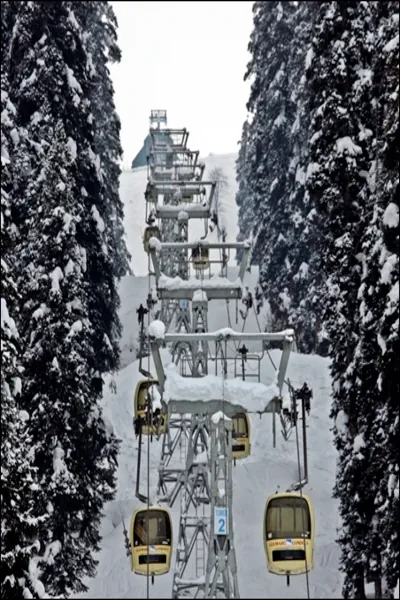
4. Apharwat Peak Ridge (Gulmarg)
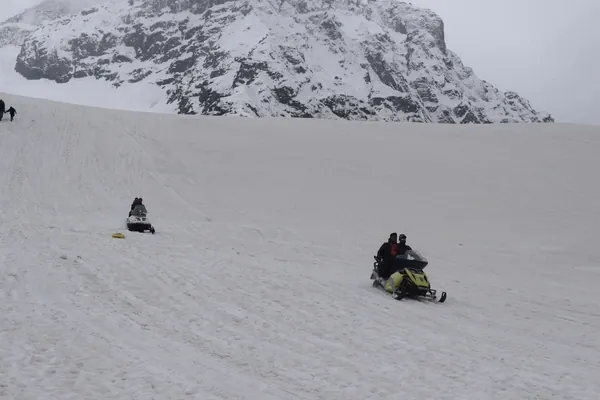
- The Shot: At 13,780 feet, look across the sea of clouds toward Mount Harmukh and the snow-clad Pir Panjal spine. In winter, capture backcountry skiers carving rooster-tails of dry powder against deep cobalt skies.
5. Habba Khatoon Peak at Dawn (Gurez Valley)
- The Shot: The pyramid limestone face of Habba Khatoon illuminated by the first pink rays of alpine dawn, mirrored in the turquoise bends of the Kishanganga River.
Critical Drone Warning for Kashmir
Caution
Do not bring or fly civilian camera drones anywhere in Jammu & Kashmir. Because Srinagar, Gulmarg, Pahalgam, and border sectors (Gurez, Keran) are active defense corridors monitored by the Indian Air Force, Army, and CRPF, flying unauthorized drones will lead to immediate confiscation of your equipment, detention, and potential charges under national aviation security laws. Leave your drone at home.
Cultural Portrait Etiquette & Sacred Sites
Kashmiri people are hospitable, but respectful photography boundaries must always be maintained:
- Photographing Women: Never photograph local Kashmiri women or young girls without explicit consent. Pointing telephoto lenses at women in rural villages or shrines without asking is deeply offensive in conservative local culture.
- Sufi Shrines & Devotion: Inside active shrines (like Hazratbal or Khanqah-e-Moula), devotees are engaged in deep prayer and contemplation. Keep your camera quiet (use silent electronic shutter mode), do not use intrusive flash, and never step between a praying person and the prayer direction (Qibla).
- Military & Security Infrastructure: NEVER photograph military bunkers, razor-wire checkpoints, army convoys, airport perimeters, or armed security personnel. Doing so will result in interrogation and memory cards being wiped.
Technical Camera Tips for Himalayan Light
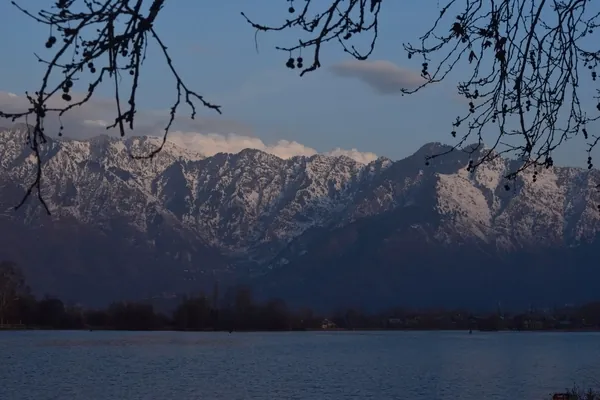
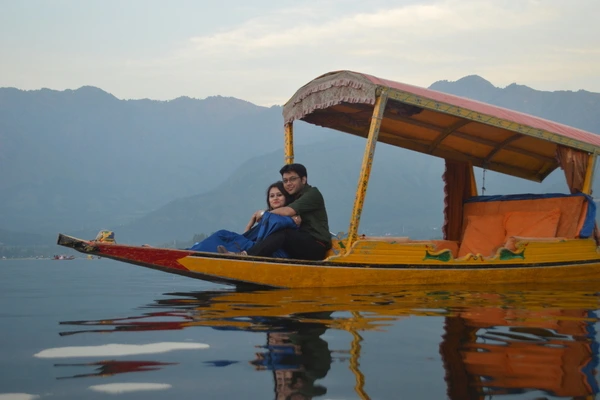
- Combating Water Glare: Dal Lake, Nigeen Lake, and the Lidder River reflect immense amounts of polarized sky glare. A high-quality Circular Polarizer (CPL) is indispensable to see through the water surface and saturate the green lotus pads and colorful Shikara canopies.
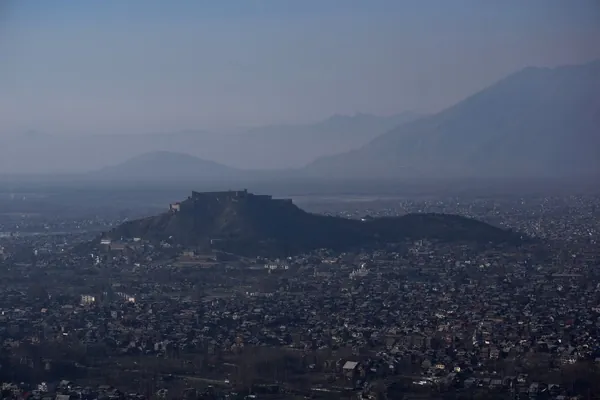
- High-Altitude UV & Haze: At 9,000 to 14,000 feet, UV radiation is intense. Use a multi-coated UV filter to protect your front lens element and reduce blue atmospheric haze on distant mountain ridges.
- Cold-Weather Battery Care: In sub-zero temperatures (Gulmarg in winter), lithium-ion camera batteries lose charge up to 50% faster. Keep spare batteries tucked inside your inner jacket pockets close to your body heat until ready to shoot.
Photo gallery