Perched gracefully on the right bank of the River Jhelum between the historic Fateh Kadal and Zaina Kadal bridges, Khanqah-e-Moula (also known as the Shah-e-Hamadan Shrine) is one of the oldest and most artistically significant wooden shrines in the Kashmir Valley.
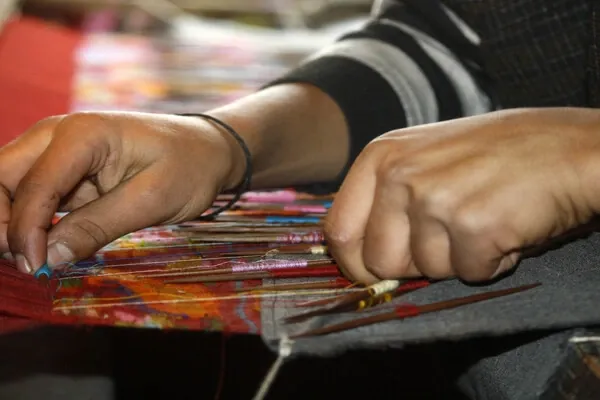
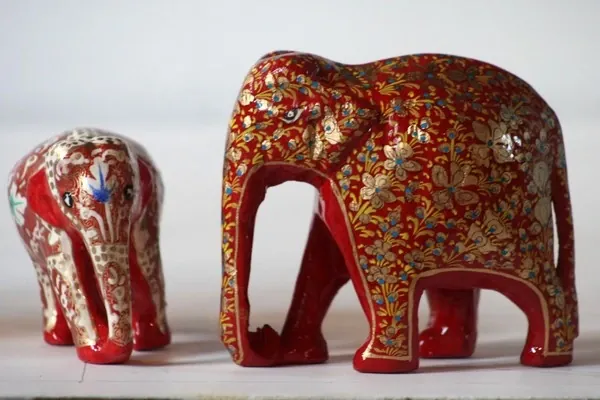
Commissioned in 1395 CE by Sultan Sikandar to commemorate Mir Sayyid Ali Hamadani—the Persian Sufi scholar who introduced Islam and Persian arts (carpet weaving, papier-mâché, woodcarving) to Kashmir—this shrine is an architectural wonder constructed entirely of interlocking deodar cedar timber without a single iron nail.
Quick Facts
| Parameter | Details |
|---|---|
| Built In | 1395 CE by Sultan Sikandar (Restored 1732 CE). |
| Location | Right Bank of River Jhelum, Shehr-e-Khaas (Old City), Srinagar. |
| Architectural Style | Indigenous Kashmiri-Persian wooden pavilion with spire and pagoda roof. |
| Key Artistic Features | Khatamband geometric cedar ceilings, Pinjrakari wooden screens, and polychrome papier-mâché murals. |
| Dress Code | Modest clothing; head covering mandatory for all visitors. |
| Last Verified Date | October 2026 |
Architectural & Visual Splendor
- Nail-Free Timber Engineering: The entire multi-tiered shrine was engineered using ancient interlocking joinery of seasoned deodar logs, allowing it to withstand major Himalayan earthquakes for over six centuries.
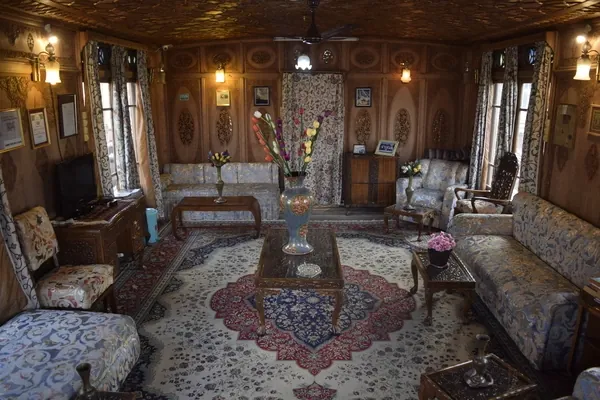
- The Papier-Mâché Murals: The interior prayer hall walls are decorated in breathtaking green, gold, and lapis-lazuli papier-mâché and wood-paint murals depicting calligraphic Quranic verses and Persian floral motifs.
- The Jhelum River Ghat: Walk outside onto the ancient stone river ghat. Here, carved Hindu stone springs and Muslim prayer platforms stand side-by-side, testifying to Kashmir’s deep shared heritage of Kashmiriyat.
Plan your visit
This guide is part of our Srinagar travel guide. While you are there, don’t miss the Old City heritage walk. See private trips that include Srinagar, or start with our 3-Day Srinagar & Gulmarg Express trip.