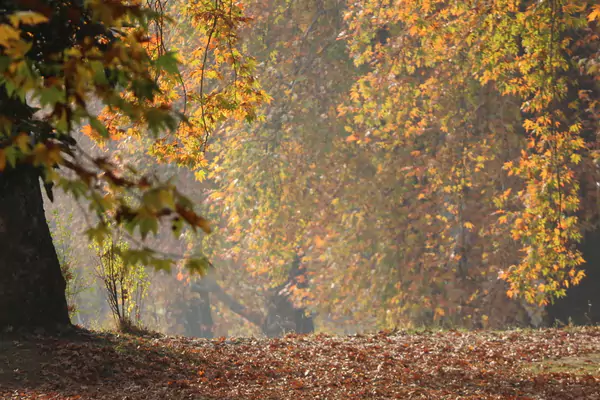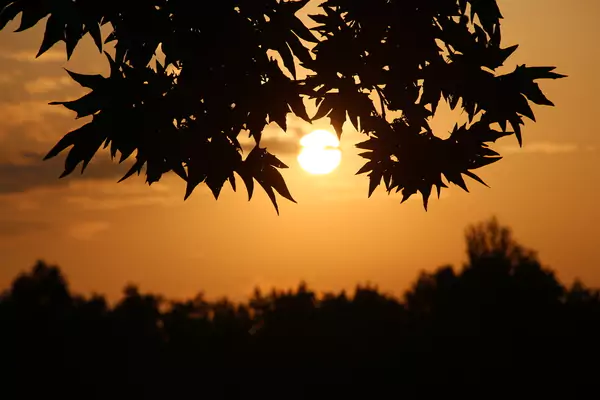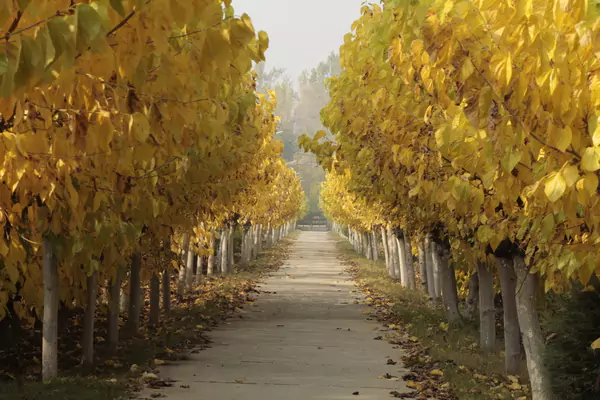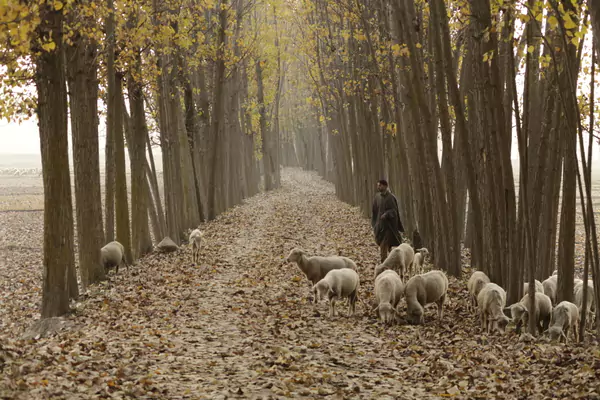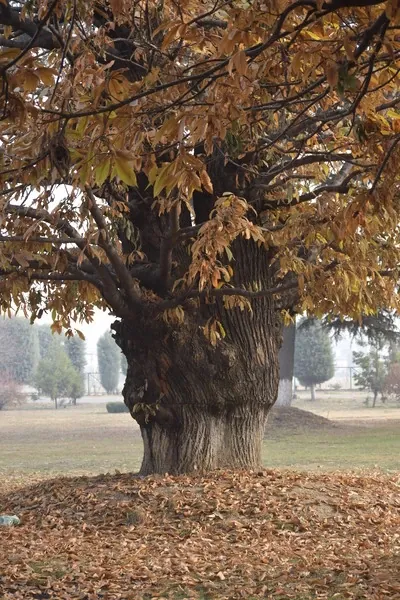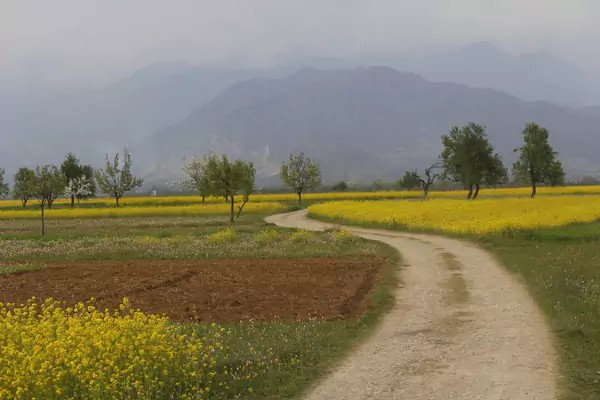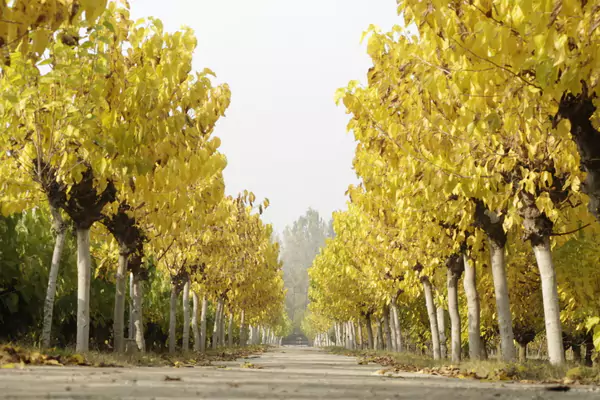
While summer attracts vacationing school crowds and winter draws powder skiers, autumn (locally known as Harud) is universally considered by landscape photographers, poets, and seasoned travelers as the most visually poetic season in Kashmir. Spanning from late September through mid-November, the valley undergoes a breathtaking chromatic metamorphosis: the summer haze clears to reveal razor-sharp Himalayan horizons, and millions of leaves on royal Chinar trees (Platanus orientalis) turn from lime green to burning amber, fiery scarlet, and deep rust bronze.
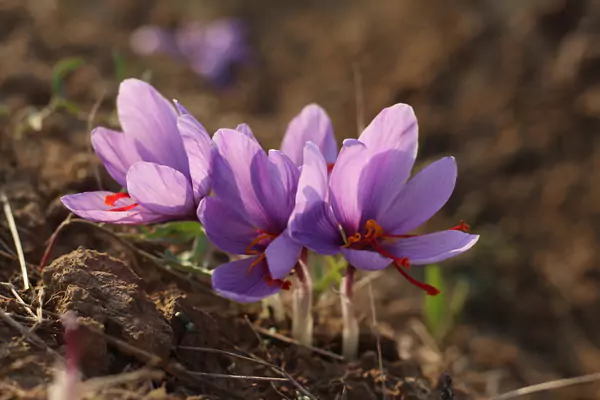
Autumn is also Kashmir’s richest agrarian harvest: delicate purple saffron blossoms blanket the plateaus of Pampore, crisp red apples hang heavy in roadside orchards, and walnut growers thresh trees with long wooden poles.
Planning a kashmir autumn tour package or a kashmir in october tour offers a distinctly relaxed, dignified experience: hotel tariffs are 20% to 30% lower than peak summer, crowd queues vanish at Gulmarg Gondola turnstiles, and afternoon temperatures (18°C–22°C) are blissfully comfortable.
Here is your comprehensive guide to the kashmir chinar golden season, harvest festivities, and a tested kashmir autumn itinerary for 2026/2027.
Quick Facts
| Parameter | Details | |
|---|---|---|
| Peak Foliage Window | October 15 to November 10 (Peak scarlet and crimson Chinar transformation) | |
| Saffron Bloom Window | Late October to early November (The purple flower harvest on the Pampore karewas) | |
| Weather & Temperatures | Daytime: 16°C to 22°C (Sunny & dry) \ | Nighttime: 2°C to 7°C (Crisp cold; requires woolens) |
| Crowd Levels | Moderate to low; zero chaotic tourist bus queues at gardens and gondolas | |
| Apple & Walnut Harvest | Freshly picked walnuts (Doon) and crisp Delicious apples available roadside in Shopian and Sopore | |
| Estimated Package Cost | Mid-Range Couple (6 Days): ₹52,000 – ₹68,000 total (Private cab, boutique hotels, houseboat, meals, activities) | |
| Last Verified Date | October 2026 |
The Autumn Foliage Timeline: Week by Week
[Late September - Early Oct] ──> Crisp air arrives; Chinar leaves turn pale yellow; walnut harvest begins
[Mid-October (Oct 10-20)]    ──> Golden amber canopies across Mughal Gardens; apple harvest peaks
[Late October (Oct 20-31)]   ──> Peak scarlet & crimson "Chinar on Fire"; purple saffron fields bloom in Pampore
[Early to Mid-November]      ──> Fiery rust & bronze; dry leaves crunch underfoot; winter chill settles
Top 4 Spots to Witness Golden Chinar Foliage
- Naseem Bagh (Kashmir University Campus, Hazratbal): Known as the “Garden of Morning Breezes,” Naseem Bagh is home to over 1,200 ancient Chinar trees planted during the Mughal era. In late October, the entire campus floor is buried under an ankle-deep carpet of golden-orange leaves.
- Nishat Bagh & Shalimar Bagh: The grand stone terraces feature rows of colossal 400-year-old Chinars framing panoramic views of Dal Lake. The reflection of scarlet leaves against deep blue water is breathtaking.
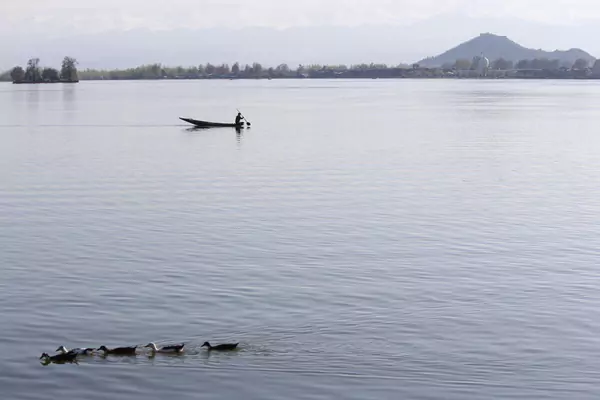
- Char Chinari Island (Dal Lake): A tiny island in the center of Dal Lake crowned by four regal Chinar trees, accessible by private Shikara.
- Pahalgam Golf Course & Aru Road: Golden poplars and amber Chinars stand in striking contrast against the dark green conifer mountains and snow-dusted granite crags.
The Purple Wonder: Saffron Flower Bloom in Pampore
Located just 15 km south of Srinagar along the Jhelum river basin lies Pampore, the only region in South Asia where the world’s most precious spice—Crocus sativus (Kashmiri Saffron, or Kong)—is cultivated on elevated prehistoric plateaus (karewas).
- The Bloom Window: The delicate lilac-purple flowers emerge for only two to three weeks between late October and the first week of November.
- The Harvest Tradition: Local families walk into the purple fields at dawn to hand-pluck the blossoms. Each flower yields exactly three crimson stigmas, which are painstakingly hand-separated and dried in shade to produce royal saffron.
- The Visitor Experience: Travelers can walk directly into the open fields, converse with smiling farmers, take photographs, and purchase freshly harvested, certified GI-tagged saffron directly from grower cooperatives.
Tested 5N/6D Kashmir Autumn Itinerary
Day 1: Arrive Srinagar (SXR) ──> Check-in Lakefront Hotel ──> Sunset Shikara on Dal Lake
Day 2: Naseem Bagh Golden Chinars ──> Nishat & Shalimar Gardens ──> Pari Mahal Sunset ──> Night in Srinagar
Day 3: Saffron Fields of Pampore (Purple Bloom) ──> Drive to Pahalgam ──> Lidder River Autumn Walks
Day 4: Pahalgam ABC Circuit (Aru Valley & Betaab Valley Golden Poplars) ──> Night in Pahalgam
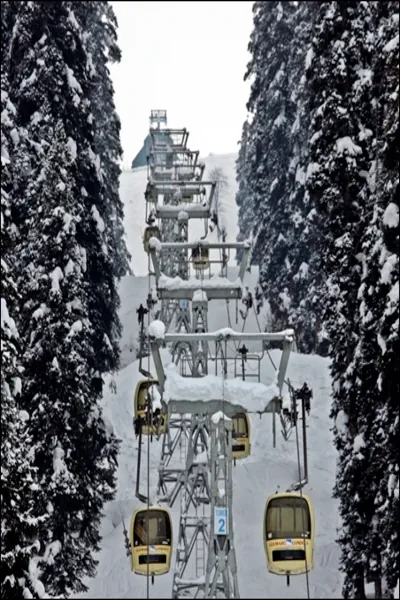
Day 5: Pahalgam to Gulmarg ──> Apharwat Peak Gondola (Phase 1 & 2) ──> Night in Gulmarg Alpine Lodge
Day 6: Morning Meadow Stroll ──> Return to Srinagar ──> Luxury Houseboat on Nigeen Lake ──> Departure
Autumn Tour Package Budget (Couple / 2 Adults — 6 Days)
| Component | Budget Tier (Couple) | Mid-Range Tier (Couple) | Luxury Tier (Couple) |
|---|---|---|---|
| Hotels & Houseboat (5 Nights on MAP) | ₹13,000 – ₹17,000 | ₹24,000 – ₹34,000 | ₹85,000 – ₹1,60,000+ |
| Dedicated Private Vehicle (6 Days) | ₹14,000 – ₹16,500 (Sedan) | ₹20,000 – ₹25,000 (Innova) | ₹30,000 – ₹38,000 (Crysta) |
| Pahalgam ABC Union Cab | ₹2,500 | ₹3,200 | ₹3,500 |
| Gulmarg Gondola (Phase 1 & 2 for 2) | ₹3,640 | ₹3,640 | ₹3,640 |
| Shikara & Garden Entry Fees | ₹1,500 | ₹2,000 | ₹4,500 |
| Food, Fresh Walnuts & Saffron Kehwa | ₹5,000 | ₹8,000 | ₹16,000 |
| Total Fair Package Cost (Couple) | ₹39,640 – ₹46,140 | ₹60,840 – ₹75,840 | ₹1,42,640 – ₹2,25,640+ |
Photo gallery