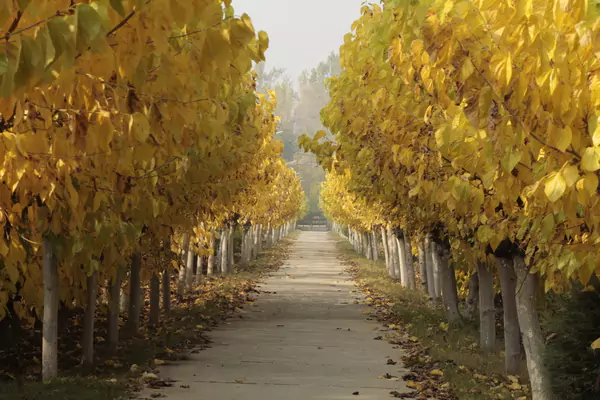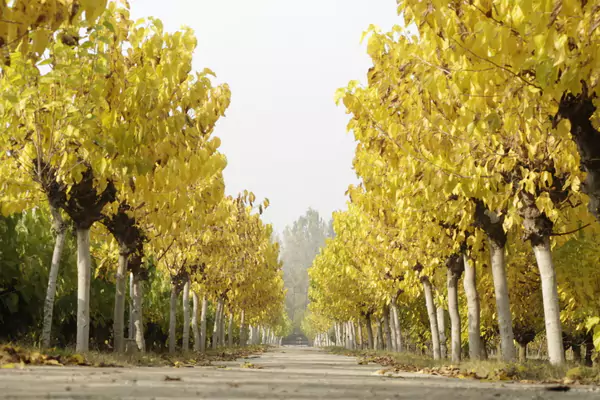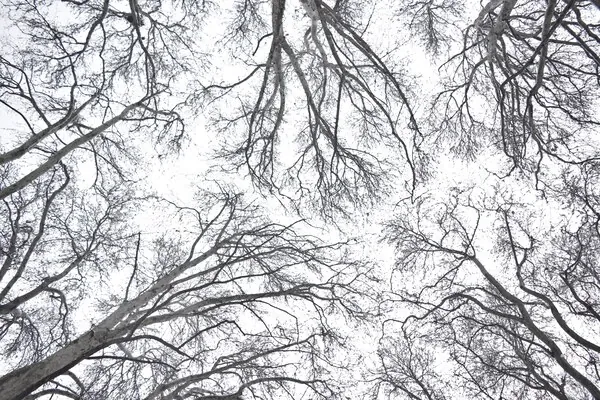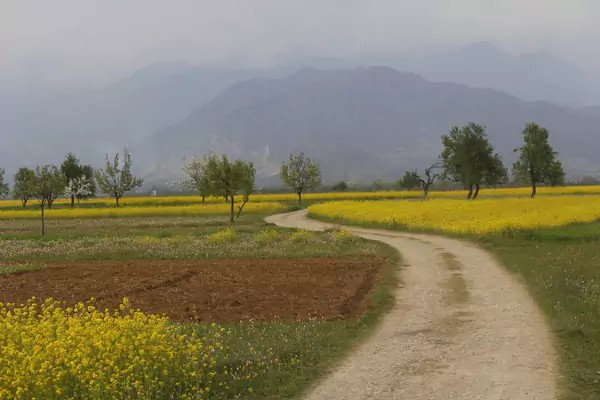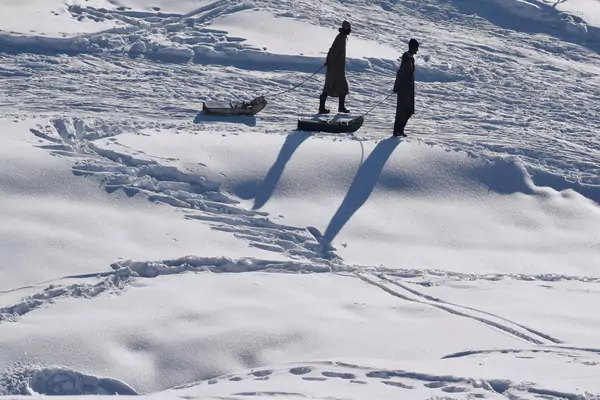
While summer draws family crowds and winter attracts powder skiers, autumn (locally known as Harud) is the connoisseur’s season in Kashmir. Spanning from late September through November, the valley is bathed in crisp, golden sunlight, the summer haze vanishes to reveal razor-sharp Himalayan horizons, and millions of leaves on Kashmir’s iconic Chinar trees (Platanus orientalis) turn from emerald green to flaming amber, crimson, and deep rust.
Autumn is also the harvest season: purple saffron flowers blanket the plateaus of Pampore, sweet red apples hang heavy in roadside orchards, and walnut growers thresh trees with long wooden poles.
Here is the ultimate guide to experiencing and photographing Kashmir’s breathtaking golden season.
Quick Facts
| Parameter | Details |
|---|---|
| Peak Foliage Window | October 15 to November 10 (The foliage turns from yellow to fiery scarlet and bronze). |
| Weather & Temps | Crisp, dry, and sunny. Daytime: 16°C to 22°C; Nighttime: 2°C to 8°C. Minimal rainfall. |
| Top Cultural Event | Saffron Flower Bloom: Late October to early November in Pampore. |
| Crowd Levels | Moderate to low; significantly less crowded than May/June, making hotel tariffs competitive. |
| Clothing Needed | Layered clothing: light cottons during the day; fleece jackets, woolen shawls, and light thermals at night. |
| Last Verified Date | October 2026 |
The Life Cycle of Kashmir’s Chinar Transformation
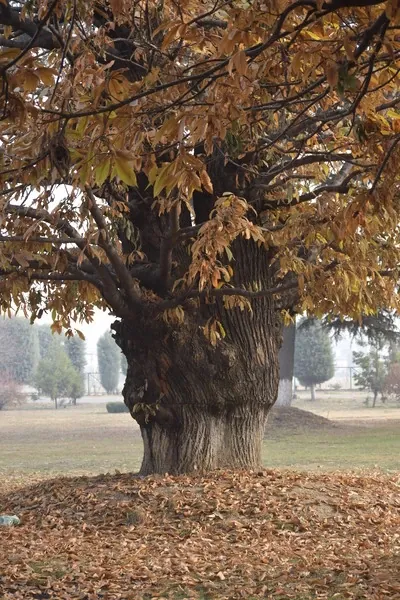
The Oriental Plane tree (Booune in Kashmiri) was celebrated by Mughal emperors as royal living monuments. Walking across fallen, rustling Chinar leaves (chinar ka patta) is one of Kashmir’s most romantic sensory experiences:
[Late September] ────> Foliage turns lime-yellow; crisp morning air
[Mid-October]   ────> Golden amber and bright orange leaves across gardens
[Late October]  ────> Peak scarlet, crimson, and fiery bronze ("Chinar on Fire")
[Mid-November]  ────> Carpets of dry golden-brown leaves crunching underfoot
Top 4 Spots to Witness Golden Chinar Foliage
- Nishat Bagh & Shalimar Bagh (Srinagar): The grand Mughal terraces feature rows of colossal 400-year-old Chinars planted during Emperor Jahangir’s reign. The contrast between bright orange canopies and the deep blue waters of Dal Lake is mesmerizing.
- Naseem Bagh (Kashmir University Campus, Hazratbal): Known as the “Garden of Morning Breezes,” Naseem Bagh is home to over 1,200 ancient Chinar trees. In autumn, the campus ground is completely buried under an ankle-deep carpet of golden leaves.
- Char Chinari (Dal Lake): A tiny island in the center of Dal Lake crowned by four historic Chinar trees, accessible by Shikara.
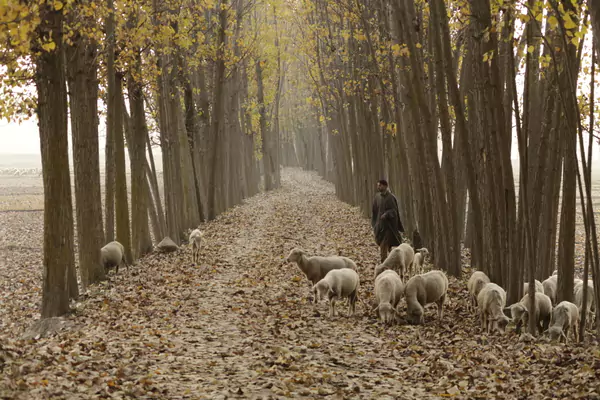
- Pahalgam Golf Course & Aru Road: Driving along the Lidder River in late October reveals golden poplars and amber Chinars standing against snow-dusted granite peaks.
The Purple Wonder: Saffron Bloom in Pampore
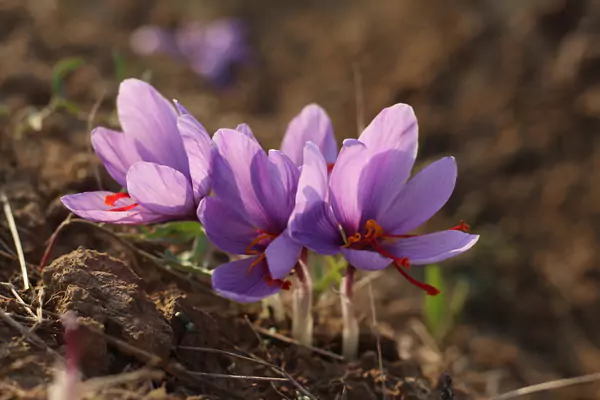
Located just 15 km south of Srinagar along the Jhelum river basin lies Pampore, the only region in South Asia where the world’s most precious spice—Crocus sativus (Kashmiri Saffron, or Kong)—is cultivated on historic lacustrine plateaus (karewas).
- The Bloom Window: The delicate purple flowers emerge only for two to three weeks between late October and the first week of November.
- The Harvest Tradition: Local families walk into the purple fields at dawn to hand-pluck the blossoms. Each flower yields exactly three crimson stigmas, which are meticulously hand-separated and dried in shade to produce royal saffron.
- Visitor Experience: Travelers can walk directly into the open fields, converse with smiling farmers, and purchase freshly harvested, government-tested saffron directly from certified cooperatives.
Culinary Delights of the Autumn Season
Autumn brings the freshest produce of the Kashmiri agricultural calendar:
- Pampore Kehwa: Savor kehwa brewed with newly harvested saffron threads, green cardamom, and freshly crushed local almonds.
- Fresh Walnuts (Doon): September and October are walnut harvesting months. Try fresh “wet walnuts” whose outer skins slip off easily, revealing creamy, sweet kernels.
- Crisp Kashmiri Apples: Roadside orchards in Shopian, Sopore, and Charar-i-Sharief are overflowing with deep red Delicious, Kulu Delicious, and Maharaji apples. Stop your car and buy a wooden crate directly from farmers.
Photography Tips for Autumn Travelers
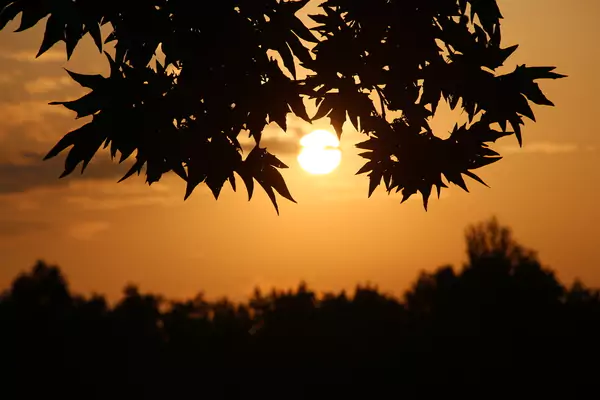
- Golden Hour Magic: The low autumn sun casts long, cinematic shadows through the Chinar branches between 7:30 AM–9:00 AM and 4:00 PM–5:15 PM.
- Polarizing Filter: Use a Circular Polarizer (CPL) filter on your camera lens to cut surface glare from Dal Lake and boost the saturation of red and gold leaves.
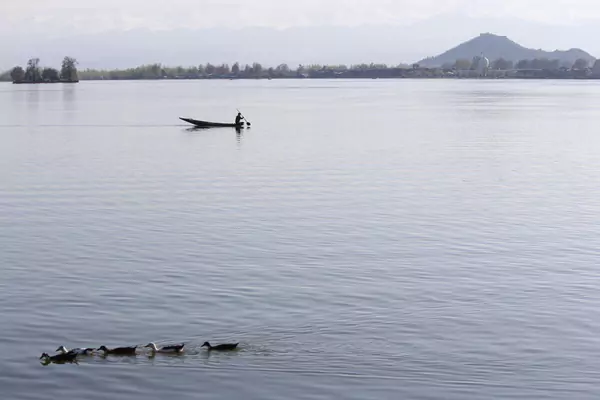
- Shikara Reflection Shots: Head to Nigeen Lake at 7:00 AM on a clear October morning. The water is as still as polished glass, reflecting the fiery orange foliage of shoreline trees.
Photo gallery