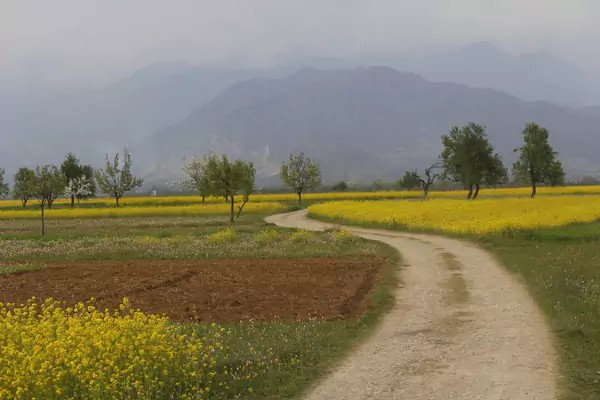
Short answer: The best time to visit Kashmir is April to June for blossoms, gardens and green meadows; September to early November for clear skies, apple harvest and golden chinar leaves; and mid-December to February if you want snow and skiing in Gulmarg. July and August are lovely but busier, warmer in Srinagar and more prone to sudden mountain showers.
Kashmir really is a four-season destination. There is no single “right” month. There is only the right month for what you want to see. This guide breaks the year down so you can match your dates to your trip.
Quick Facts
| Parameter | Details |
|---|---|
| Best overall months | April–June and September–October |
| Best for snow | Late December to February (Gulmarg, Sonamarg, Pahalgam) |
| Best for skiing | January to early March in Gulmarg |
| Best for Tulip Garden | Usually late March to late April (opening dates change every year) |
| Best for autumn colours | Late October to mid-November |
| Peak season (highest prices) | May–June, plus the Christmas–New Year week |
| Value season | Early March, September and November |
| Permit needed? | Not for Srinagar, Gulmarg, Pahalgam or Sonamarg. Border areas such as Gurez need a permit. |
| Last verified | November 2026 |
Kashmir Weather at a Glance (Srinagar)
Srinagar sits at about 1,585 m (5,200 ft). Gulmarg (2,650 m), Pahalgam (2,130 m) and Sonamarg (2,740 m) are colder than these figures, usually by 5–8 °C.
| Months | Season | Typical daytime | Typical night | What it feels like |
|---|---|---|---|---|
| March–May | Spring | 13–26 °C | 2–12 °C | Fresh, flowery, occasional rain |
| June–August | Summer | 27–32 °C | 14–18 °C | Warm days, cool nights in the hills |
| September–November | Autumn | 13–27 °C | 0–12 °C | Dry, sunny, crisp evenings |
| December–February | Winter | 4–9 °C | -4 to 0 °C | Cold, snow in the hills, sometimes in the city |
Figures are long-term averages. Cold snaps and heatwaves do happen, so always check a live forecast in the week before you fly.
Spring in Kashmir (March to May): Blossoms and Tulips
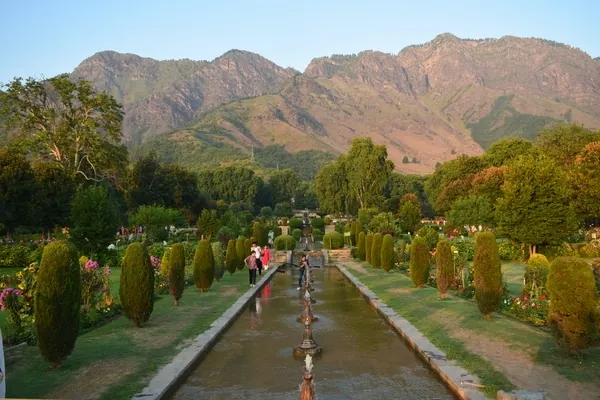
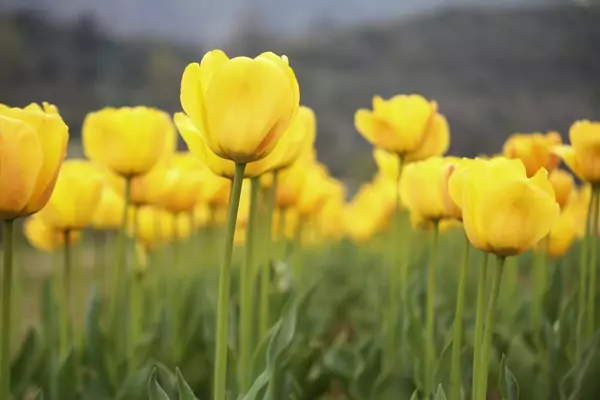
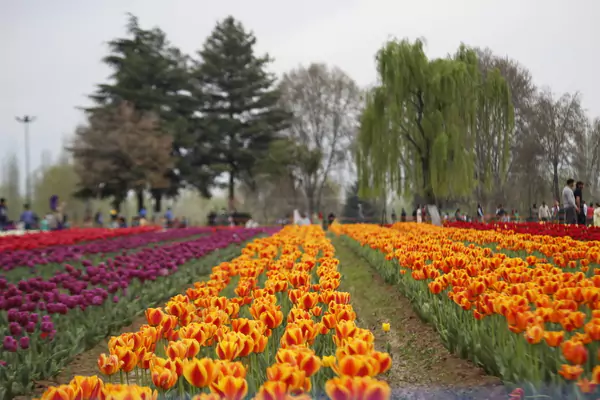
Spring is when Kashmir wakes up. Almond trees bloom at Badamwari in March, the Indira Gandhi Memorial Tulip Garden usually opens in late March, and the Mughal gardens of Nishat, Shalimar and Chashme Shahi fill with colour by April.
Why go in spring
- The Tulip Garden, Asia’s largest, is only open for about a month. See our Tulip Garden guide.
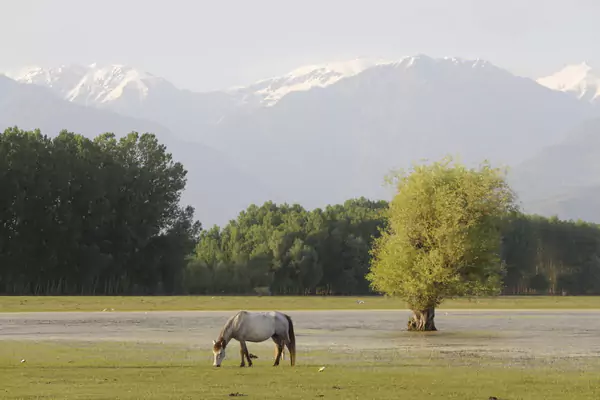
- Snow still lingers on the peaks above Gulmarg and Sonamarg in March and April, so you get green valleys and white mountains in one frame.
- Plains across India are heating up, so Kashmir feels wonderfully mild.
Things to know
- March can be wet and cold. Kashmir gets much of its yearly rain and snow from western weather systems between January and April.
- Pollen levels are high in April. If you have hay fever, pack your usual medication.
- Prices rise quickly from mid-April, so book hotels early.
Best for: families, first-time visitors, garden lovers and photographers.
Summer in Kashmir (June to August): Meadows and Mountain Air
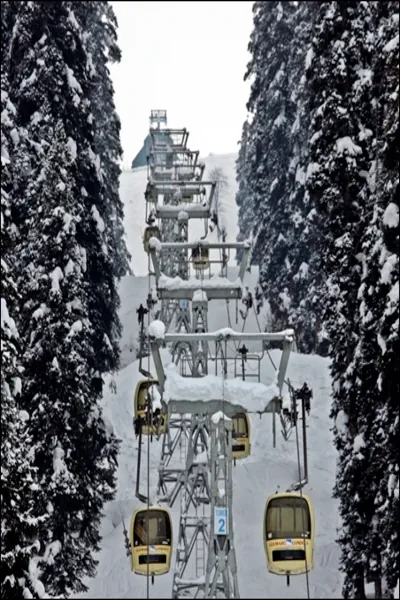
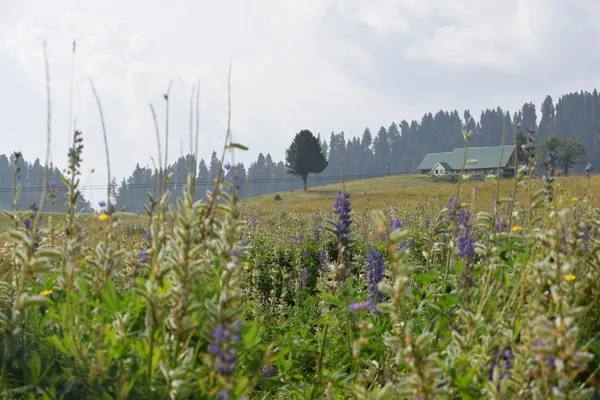
Summer is peak season. Every road and meadow is open, the Gulmarg Gondola runs to Phase 2 with only grass and wildflowers below, and Sonamarg’s Thajiwas Glacier is reachable on foot or by pony.
Why go in summer
- It is the easiest season for families, senior travellers and road trips.
- Lidder (Pahalgam) and Sindh (Sonamarg) river rafting are at their best.
- The Srinagar–Leh highway is open, so you can continue to Ladakh by road or bike.
Things to know
- Srinagar can touch 32–35 °C on hot July afternoons. Sunscreen and a hat are essential, because the high-altitude sun burns quickly.
- The Amarnath Yatra (usually July to August) brings heavy traffic and security convoys to the Pahalgam and Sonamarg routes. Plan around yatra dates. See our Amarnath Yatra logistics guide.
- July and August bring the occasional heavy shower and, rarely, a cloudburst in the mountains. Read our monsoon travel guide before booking.
Best for: honeymooners, families, road-trippers and anyone combining Kashmir with Ladakh.
Autumn in Kashmir (September to November): Chinar Gold and Clear Skies
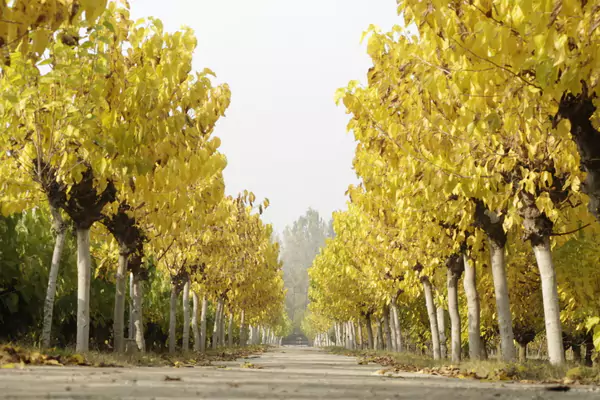
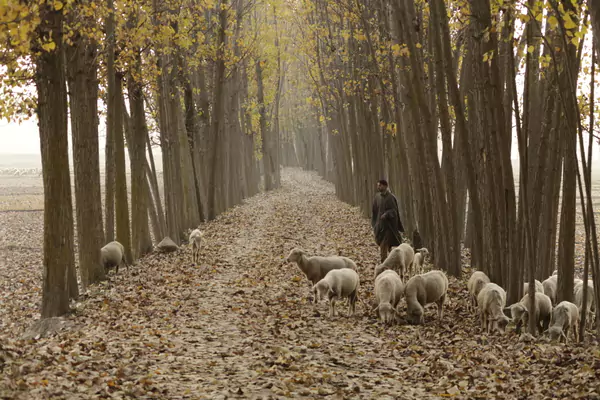
Many locals will quietly tell you autumn is the best season of all. The air is dry and clear, the crowds thin out after August, and from late October the giant chinar trees turn copper, red and gold.
Why go in autumn
- The most reliable stretch of clear weather in the year. September and October are ideal for photography.
- Apple harvest in the orchards of Shopian, Sopore and Baramulla (roughly August to November), plus the purple saffron bloom in Pampore in late October and early November.
- Hotels and houseboats often offer better rates than in May and June.
Things to know
- Nights get cold quickly. By November, Srinagar drops close to freezing after dark, so pack layers.
- The first snow can arrive in Gulmarg and Sonamarg in November.
Best for: couples, photographers, pre-wedding shoots, slow travellers and anyone who dislikes crowds. Read more in Autumn in Kashmir.
Winter in Kashmir (December to February): Snow, Skiing and Harissa
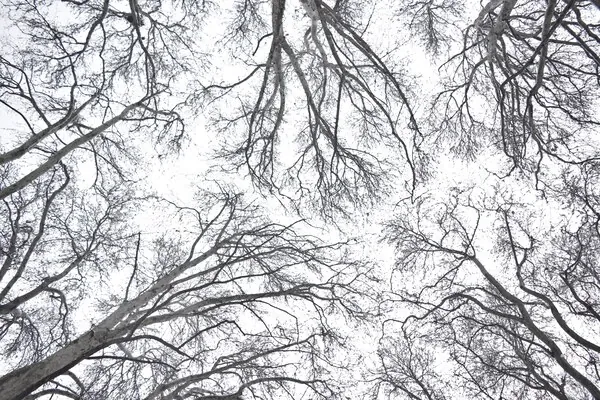
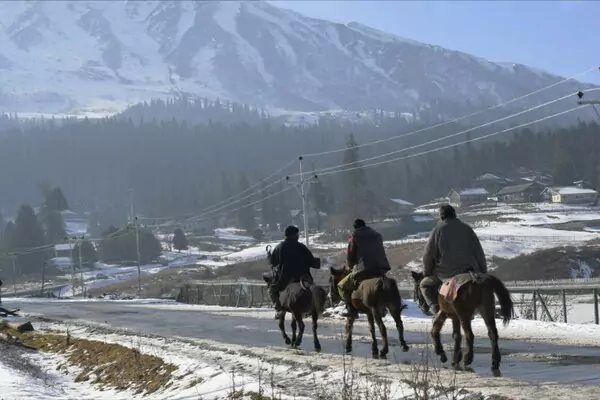
Winter turns Kashmir into a snowscape. Gulmarg becomes India’s best-known ski resort, Pahalgam goes quiet and white, and Srinagar wakes up to frost on the houseboat roofs.
The coldest 40 days, known locally as Chillai Kalan, run from 21 December to 29 January. This is when snow is most reliable, and also when roads and flights are most likely to be disrupted.
Why go in winter
- Skiing and snowboarding in Gulmarg from about January to early March. See Gulmarg winter vs summer.
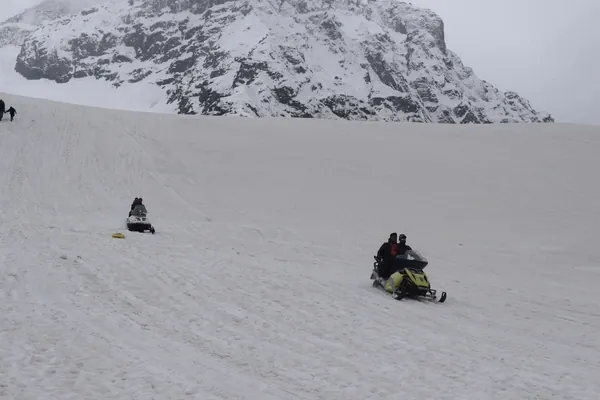
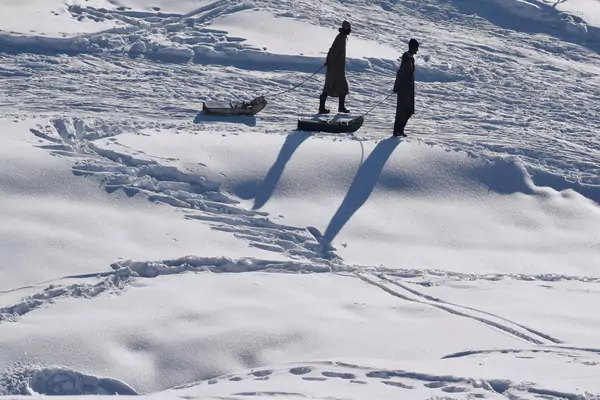
- Snow play, sledging and the Gondola ride over a white landscape.
- Winter food: harissa for breakfast, noon chai and fresh bread from the local kandur bakery.
- Since the Z-Morh (Sonamarg) tunnel opened in 2025, Sonamarg can be reached in winter, although snow and avalanche advisories still close the road from time to time.
Things to know
- Fog and snow can delay or cancel flights into Srinagar. Keep a buffer day before any onward flight.
- The Jammu–Srinagar highway (NH44) can close after heavy snow or landslides. The all-weather train between Jammu and Srinagar is now a good back-up.
- Power cuts are common in villages and smaller hotels, so ask about heating before you book.
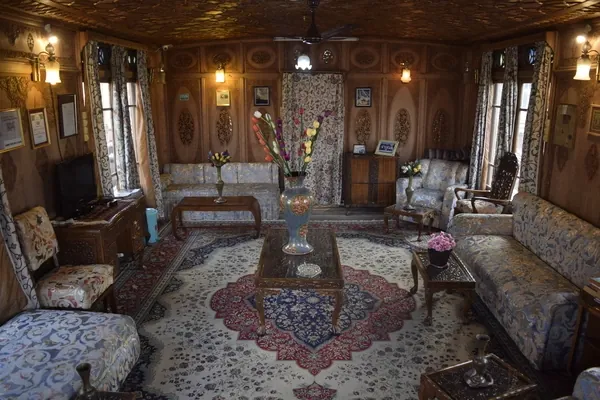
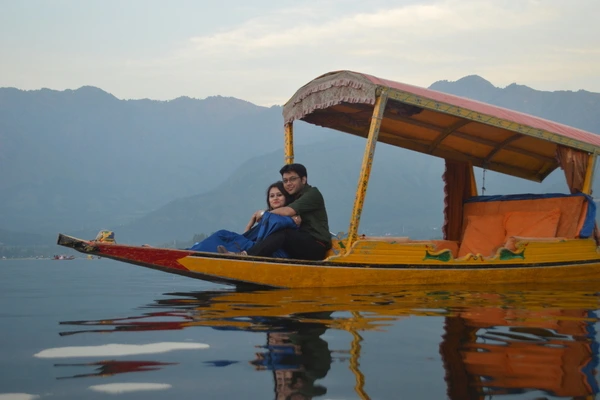
- Shikara rides still run on the Dal Lake on most days, but gardens are bare and some high meadows are off-limits.
Best for: skiers, snow lovers and winter honeymooners. Plan with our 5-day winter itinerary and winter driving guide.
Month-by-Month Cheat Sheet
| Month | Highlight | Crowd level |
|---|---|---|
| January | Deep snow, skiing, frozen edges on Dal Lake | Medium |
| February | Best ski conditions, quieter Srinagar | Medium |
| March | Almond blossom, end of ski season, Tulip Garden may open | Low–Medium |
| April | Tulip Garden, Mughal gardens in bloom | High |
| May | Green meadows, all roads open | Very high |
| June | Peak summer holidays | Very high |
| July | Warm, lush, Amarnath Yatra traffic | High |
| August | Lush, early apples | Medium–High |
| September | Clear skies, harvest begins | Medium |
| October | Golden light, chinars start to turn | Medium |
| November | Peak chinar colour, saffron, first snow | Low |
| December | Snow returns, Christmas–New Year rush | Medium–High |
Best Time to Visit by Destination
- Srinagar: April–June and September–November. Winter is cold but magical on a houseboat.
- Gulmarg: January–March for snow and skiing, May–September for meadows and golf.
- Pahalgam: April–October. Avoid Amarnath Yatra dates if you want peace and quiet.
- Sonamarg: May–October for the glacier, rafting and the road to Ladakh.
- Tulip Garden: late March to late April. Go on a weekday morning.
- With family: April–June or September–October, when the weather is mild and every attraction is open.
A Note on Planning Around Current Conditions
Weather is only half the story. Security reviews can temporarily close individual meadows or trekking routes, and closures can change at short notice. Several sites closed after the April 2025 attack in Pahalgam have since reopened in phases. Before you lock in a plan, check our Kashmir safety guide and ask your hotel or travel planner what is open that week.
Photo gallery