Note
✅ Status update (5 November 2026): Baisaran meadow, the Kashmir Great Lakes trek and the Tarsar Marsar trek are open. This was verified by the Travelihood team on the ground. Conditions in Kashmir can change at short notice, so check with your hotel, driver or operator before you set out. Trek season normally runs from late June to mid-September. Book treks only with a registered operator.
Few travel questions generate as much polarized debate as whether Kashmir is safe for solo female travelers. Decades of sensationalist news headlines lead some to imagine an active conflict zone, while travel influencers frequently paint an overly romanticized picture devoid of nuance.
The reality on the ground is both reassuring and practical: Kashmir is widely regarded by seasoned female backpackers as one of the safest regions in Northern India regarding street harassment, petty theft, and violent crime. Kashmiri culture is deeply anchored in Kashmiriyat—an ethos of hospitality, maternal reverence, and respect for guests.
However, navigating a socially conservative, militarized mountain territory requires situational awareness, culturally intelligent clothing choices, and smart transport planning. Here is your frank, honest guide to traveling solo in the valley as a woman.
Quick Facts
| Parameter | Details | |
|---|---|---|
| Safety Index | High regarding violent crime and street harassment; minimal catcalling compared to major metro cities. | |
| Dress Code | Modest clothing recommended: loose-fitting layers, shoulders and chest covered, trousers or long skirts. | |
| Public Transport | Shared Sumo cabs are safe and commonly used by local Kashmiri college women and working professionals. | |
| Houseboat Advice | Choose reputable, registered houseboats on Nigeen Lake or Dal Lake with positive recent female reviews. | |
| Emergency Help | Tourist Police Helpline: 112 \ | Special Women’s Police Station Srinagar: 0194-2452222. |
| Last Verified Date | October 2026 |
Cultural Norms & What to Wear
Kashmir is a traditional, socially conservative society where modesty is culturally valued across all religious communities. Adapting your wardrobe slightly makes your journey significantly smoother:
[Recommended Attire]
   ├── Long tunics, loose kurtis, or oversized shirts covering hips
   ├── Full-length trousers, jeans, or trekking cargo pants
   ├── Light scarf or dupatta kept handy in daypack
   └── Comfortable closed walking shoes for cobbled alleys
- Shoulders & Knees: Avoid sleeveless tops, low-cut blouses, crop tops, and short shorts in public markets, shrines, or shared transit.
- The Scarf Advantage: You do not need to cover your head while walking along Boulevard Road or visiting cafes. However, carrying a cotton scarf or dupatta allows you to comfortably enter active Sufi shrines (like Khanqah-e-Moula or Hazratbal) and temple complexes where head coverings are required for everyone.
- The Winter Pheran: In winter, wearing a traditional embroidered Pheran (a long, warm wool cloak) is not only exceptionally cozy, but locals will warmly compliment your appreciation of Kashmiri heritage.
Accommodation Tips: Choosing Where to Stay
1. Houseboat Selection
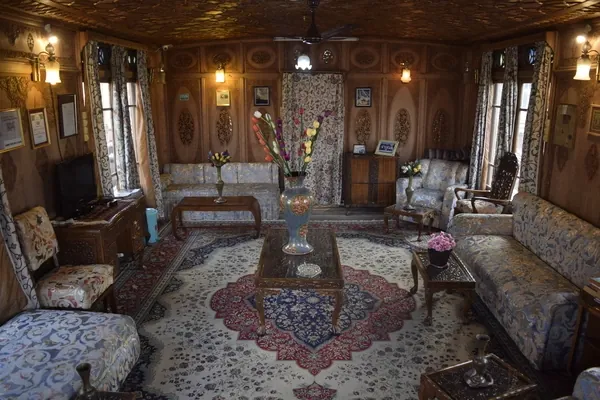
Staying on a heritage cedar houseboat on Dal Lake or Nigeen Lake is magical, but solo women should exercise thoughtful curation:
- Choose Family-Run Boats: Look for houseboats where the owner and his family reside in the adjoining domestic quarters behind the boat. Having a local Kashmiri matriarch and children nearby creates an immediate atmosphere of security and care.
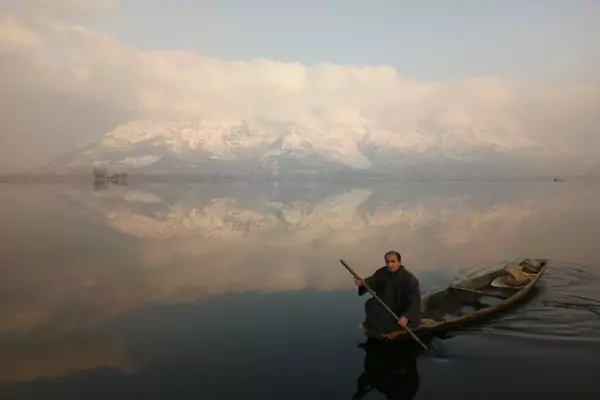
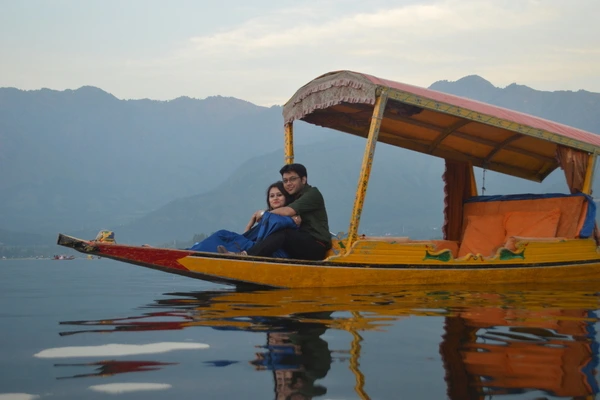
- Avoid Solitary Water Moorings: If staying on Dal Lake, choose a boat accessible via a short Shikara crossing from active ghats (Ghat 1 to 14), rather than an isolated boat deep in backwater channels with zero lighting.
2. Boutique Hotels & Hostels
- Srinagar now features several vibrant backpacker hostels (such as Zostel Srinagar near Nishat) and family-run guest houses in Rajbagh and Brein. These are outstanding hubs to meet other independent domestic and international travelers.
Transport & Moving Around Solo
- Auto-Rickshaws in Srinagar: Auto-rickshaws are plentiful throughout Srinagar. Meters are rarely used; always agree on the fare firmly before stepping inside.
- Shared Tata Sumos: For inter-district transit (e.g., Srinagar to Tangmarg, Anantnag, or Bandipora), shared Sumo cabs depart from city stands like Batamaloo or TRC. Front passenger seats are traditionally reserved for women. If you take a shared cab, you will find fellow female passengers—local university students, teachers, and doctors—frequently striking up warm conversations.
- Avoid Late-Night Travel: Mountain towns sleep early. In Pahalgam, Gulmarg, or Srinagar Old City, shops close and street life winds down by 8:30 PM. Complete your outdoor sightseeing and return to your hotel or houseboat before nightfall.
Overcoming Annoyances: Touts & Pony Handlers
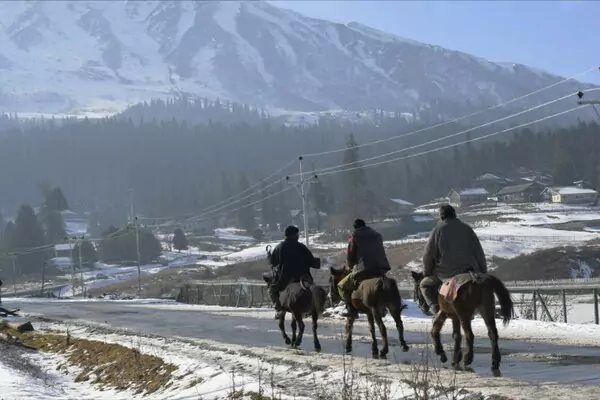
The primary irritation solo female travelers face is not danger, but persistent sales pitches from Shikara riders, dry fruit hawkers, and pony handlers.
- How to Handle It: Be polite, but unwavering. A pleasant smile combined with a clear, firm “Nahi, shukriya” (No, thank you) while continuing to walk is far more effective than engaging in prolonged conversation or debate.
- Personal Space: Kashmiri men are generally respectful of physical boundaries. If anyone oversteps your comfort zone, speaking up clearly and loudly will instantly draw the intervention of surrounding local shopkeepers and elders, who take immense pride in guest safety.